DNV 2.7-1 containers are designed to withstand one of the world’s most demanding environments. Built for repeated offshore lifting, transportation and exposure to harsh operating conditions, they provide a reliable means of moving equipment and supporting offshore operations. As project requirements evolve, however, operators often need these containers to serve purposes beyond cargo transportation, making DNV 2.7-1 container modifications a practical solution when additional functionality is required.
Rather than purchasing new equipment for every application, many operators choose to modify existing DNV 2.7-1 containers into specialized offshore facilities. When implemented correctly, these modifications enable organizations to maximize the value of existing assets while creating purpose-built workspaces that meet evolving operational requirements. Every modification, however, must be evaluated to ensure the container continues to satisfy the structural and safety requirements established under DNV 2.7-1.
Common Offshore Container Modifications Support a Wide Range of Applications
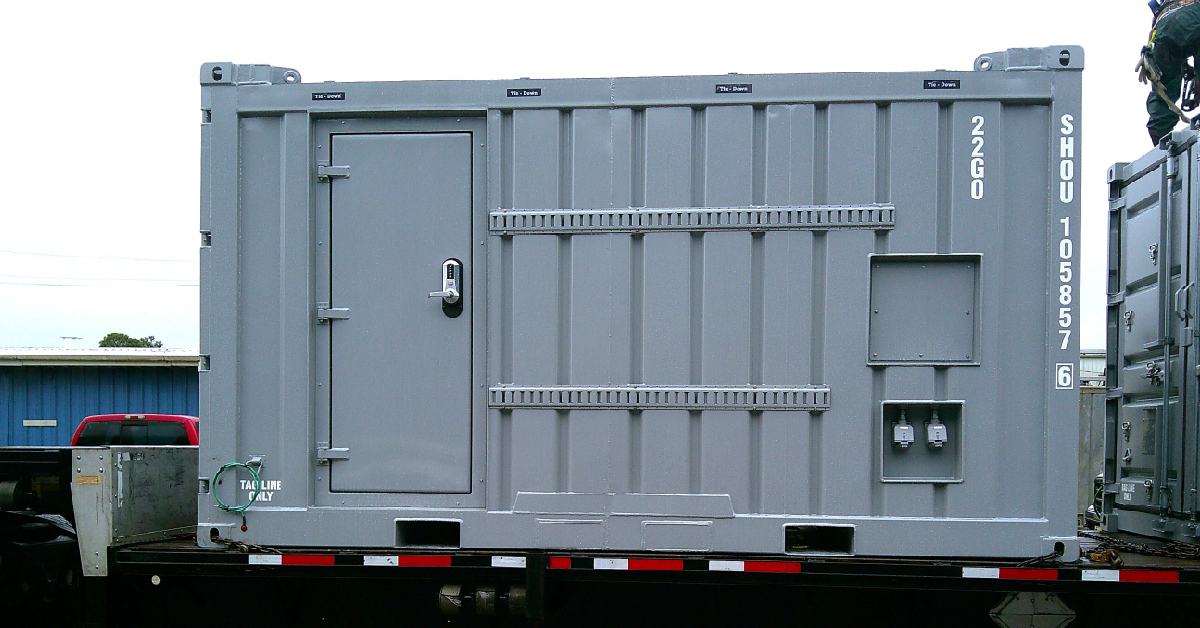
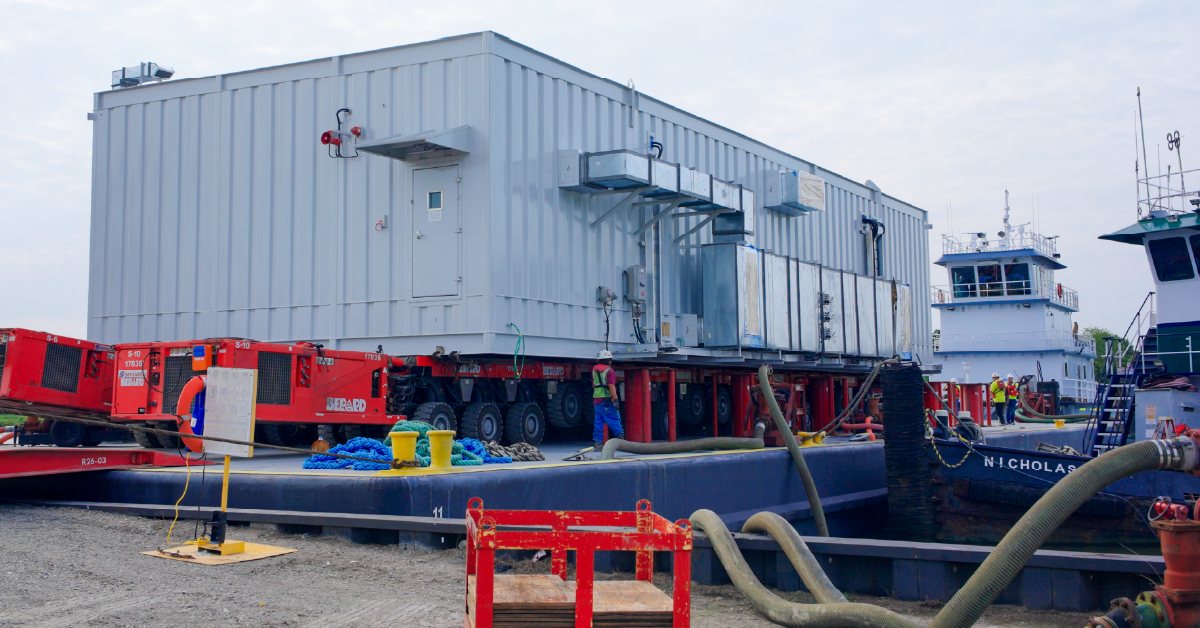
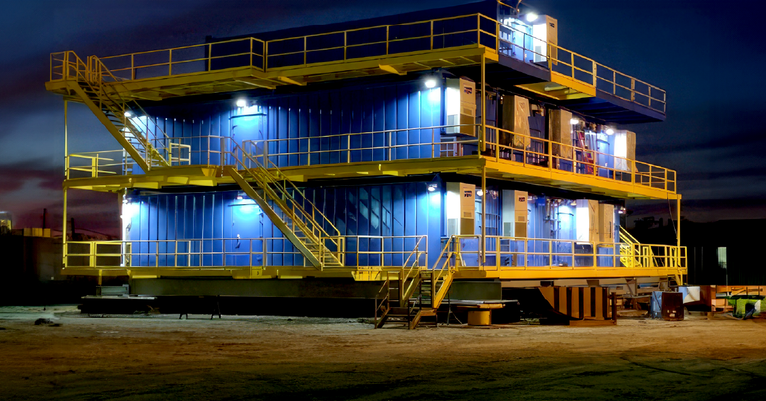
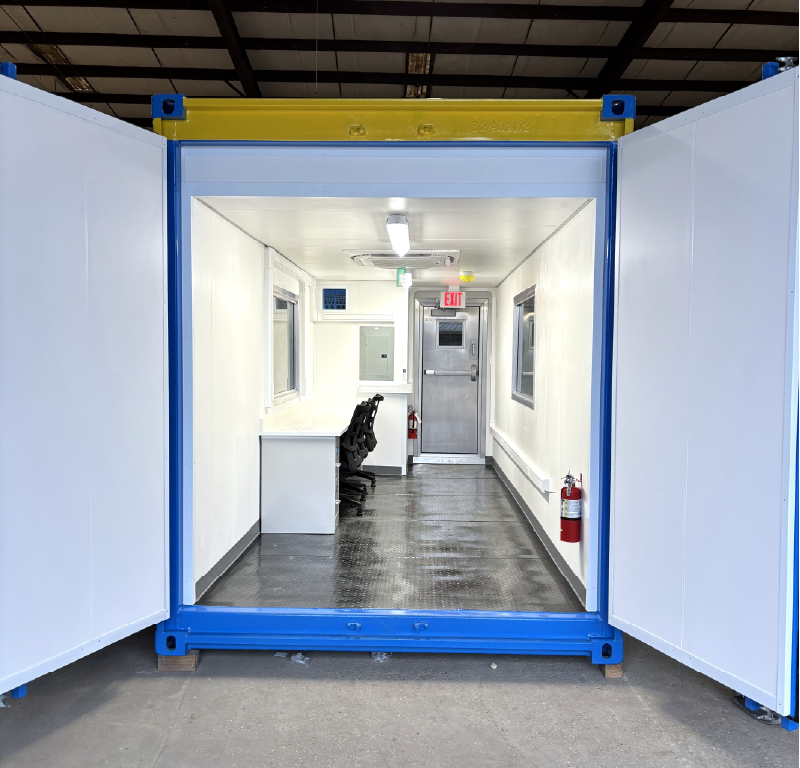
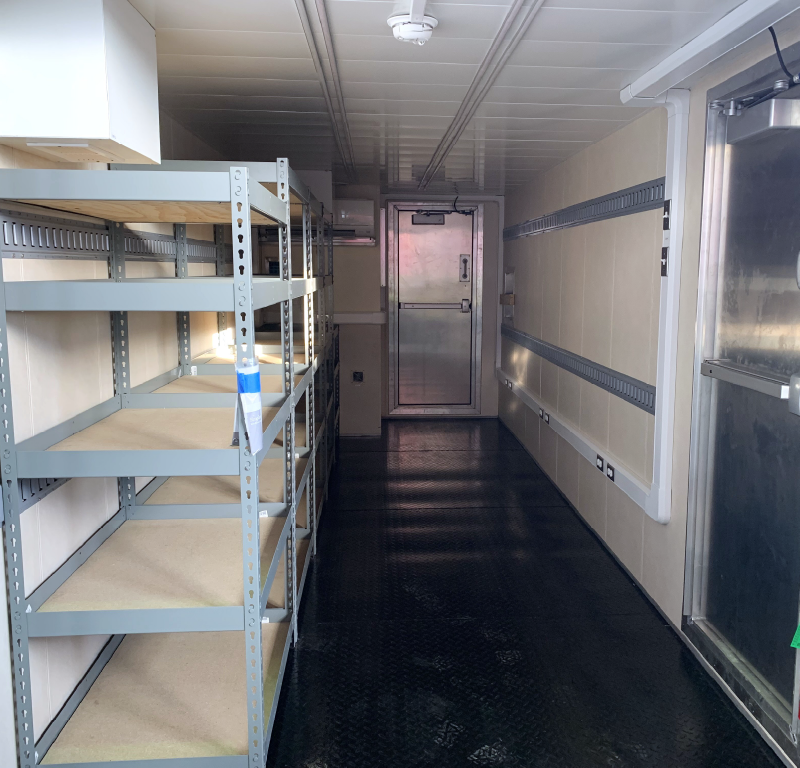
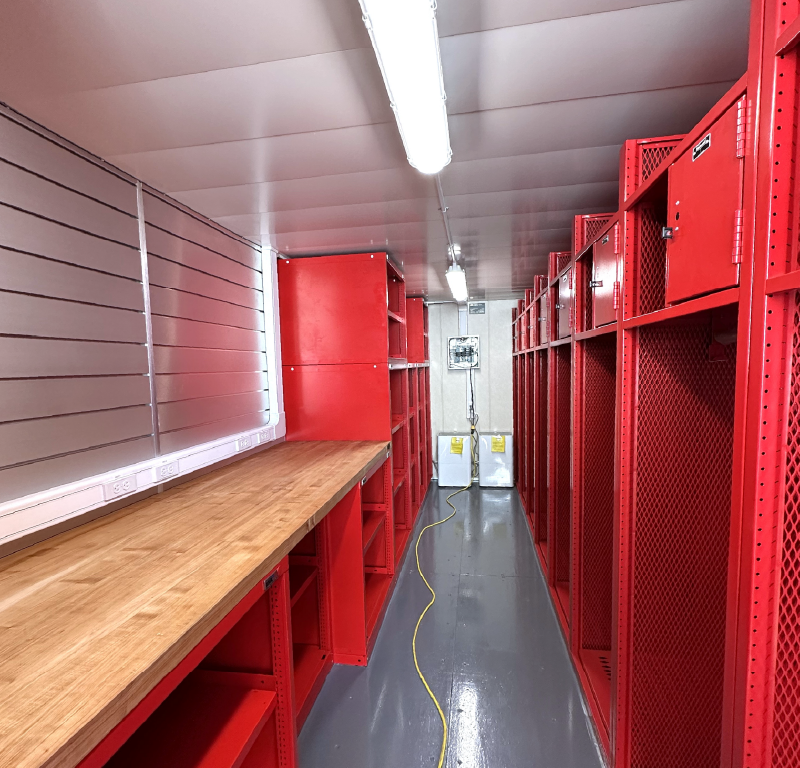
Offshore container modifications can support changing operational requirements without requiring an entirely new asset. Depending on the application, a standard DNV 2.7-1 container can be converted into a workshop, office, control room, electrical or instrumentation room, equipment enclosure, laboratory or another specialized offshore module. These conversions allow operators to repurpose existing equipment while creating spaces tailored to a specific project’s needs.
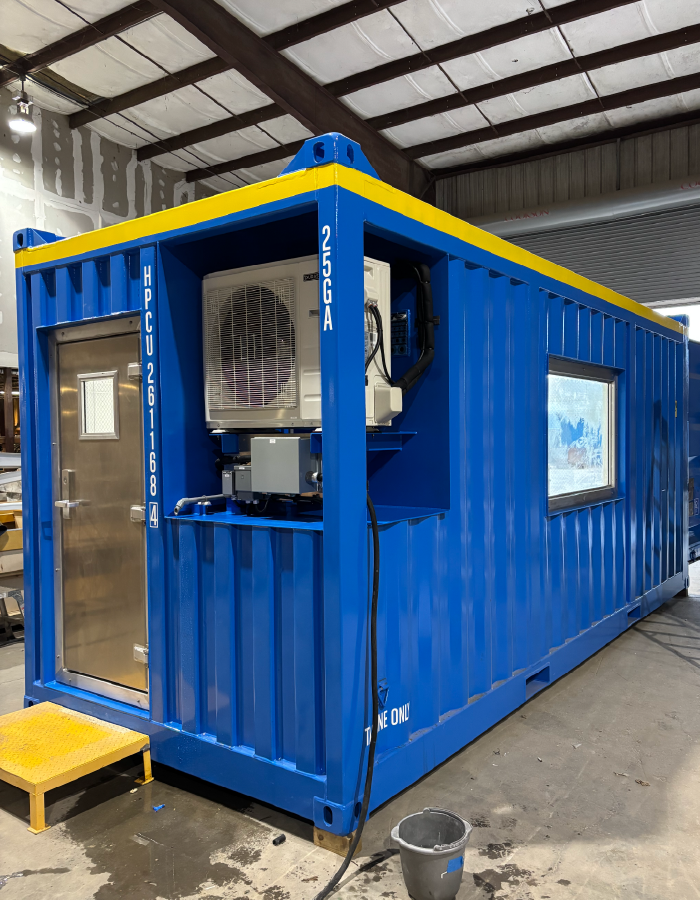
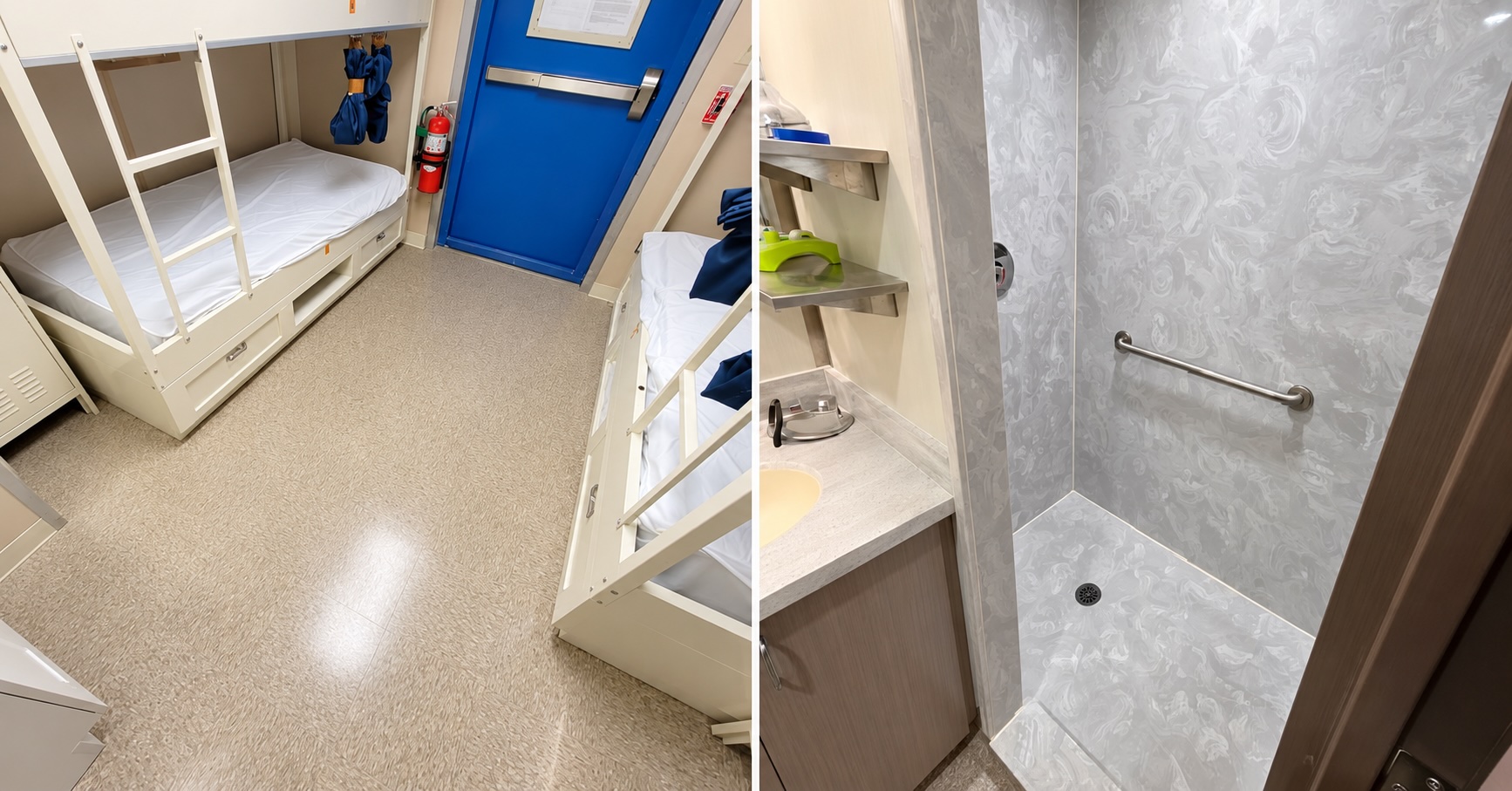
The scope of work varies from project to project, but most modifications extend well beyond simply installing new equipment. Structural changes may include adding personnel doors and windows, reinforcing floors for heavy machinery, creating utility penetrations and installing equipment supports. HVAC systems may be upgraded or added to provide climate control, ventilation or pressurization, while electrical improvements can include new lighting, power distribution, cable management and hazardous-area electrical systems where required. Interior upgrades such as insulation, wall finishes, flooring, cabinetry and workstations help create functional work environments, and plumbing systems may be added to accommodate sinks, restrooms, showers and other personnel facilities. Together, these modifications allow a standard offshore container to be transformed into a purpose-built asset that supports personnel, equipment and critical offshore operations.
Every modification is ultimately driven by the container’s intended use. Whether supporting maintenance personnel, housing sensitive equipment or providing operational workspace offshore, the goal is to deliver a module that meets the project’s functional requirements while maintaining the durability and reliability expected in offshore service.
Engineering Determines How Modifications Affect Certification
While many of these modifications are common, they cannot simply be installed without evaluating their impact on the container’s original certified design. Even seemingly straightforward changes, such as installing HVAC equipment, adding utility penetrations or mounting heavy process equipment, can affect weight distribution, lifting characteristics and structural load paths in ways that are not immediately apparent.
Any modification involving primary structural members, lifting points, corner posts, top and bottom rails, forklift pockets or the intended use of the container requires careful engineering review to determine whether additional analysis or recertification is necessary. The complexity of a modification is determined not by its apparent extent, but by how it affects the container’s certified structural design. Engineering verification also confirms the modified container can continue to safely withstand offshore lifting, transportation, stacking and environmental loading within its certified operating limits.
Inspection and Certification Remain Essential
Once modifications are complete, the container must undergo the appropriate inspection and verification process before returning to service. Depending on the scope of work, this may include visual inspections, dimensional verification, weld inspections, non-destructive testing, proof-load testing and a review of updated engineering documentation. When certified structural elements have been modified, approval by the appropriate certification body may also be required to confirm continued compliance with DNV 2.7-1.
While many modifications may appear relatively minor, changes such as installing new doors, adding HVAC penetrations or redistributing equipment can alter structural performance in ways that require engineering analysis. Verifying that each modification complies with applicable standards helps ensure the container continues to perform safely throughout its service life.
Successful Modifications Require More Than Fabrication
Converting a DNV 2.7-1 container into a workshop, office, control room or equipment enclosure involves far more than installing new equipment. Every structural, mechanical, electrical and architectural modification must work together to meet the project’s operational needs while preserving the container’s structural integrity and offshore certification.
At Armoda, our engineering and fabrication teams work together to evaluate each modification, identify the most effective solution and deliver customized offshore containers that meet project requirements while maintaining safety, compliance and long-term reliability. If you’re planning an offshore container modification, talk with Armoda about the engineering, fabrication and certification requirements for your project.
Frequently Asked Questions About DNV 2.7-1 Container Modifications
Can a DNV 2.7-1 container be modified?
Yes. DNV 2.7-1 containers can be modified for different offshore applications, but each modification should be evaluated for its potential impact on the container’s structural design, lifting characteristics and certification. The extent of engineering review, inspection and recertification required depends on the nature of the modification.
What are common modifications to DNV 2.7-1 containers?
Common modifications include personnel doors and windows, HVAC systems, utility penetrations, electrical systems, insulation, flooring, equipment supports, workstations and plumbing. Containers may also be converted into workshops, offices, control rooms, equipment enclosures, laboratories and other specialized offshore modules.
Do modifications to a DNV 2.7-1 container require recertification?
It depends on the modification. Changes involving primary structural members, lifting points, corner posts, rails, forklift pockets or other elements that affect the container’s certified structural design may require additional engineering analysis, testing or recertification. A change in intended use may also require further evaluation.
What inspections may be required after modifying an offshore container?
Depending on the scope of the modification, verification may include visual and dimensional inspections, weld inspections, non-destructive testing, proof-load testing and review of updated engineering documentation. Modifications to certified structural elements may also require approval by the appropriate certification body before the container returns to service.