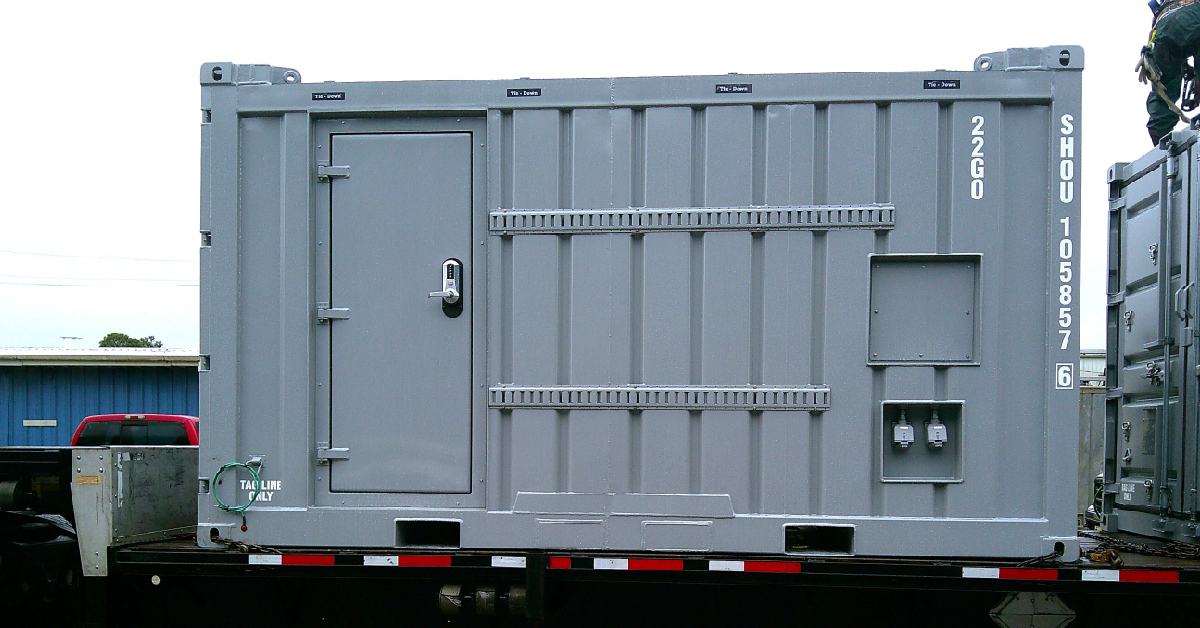
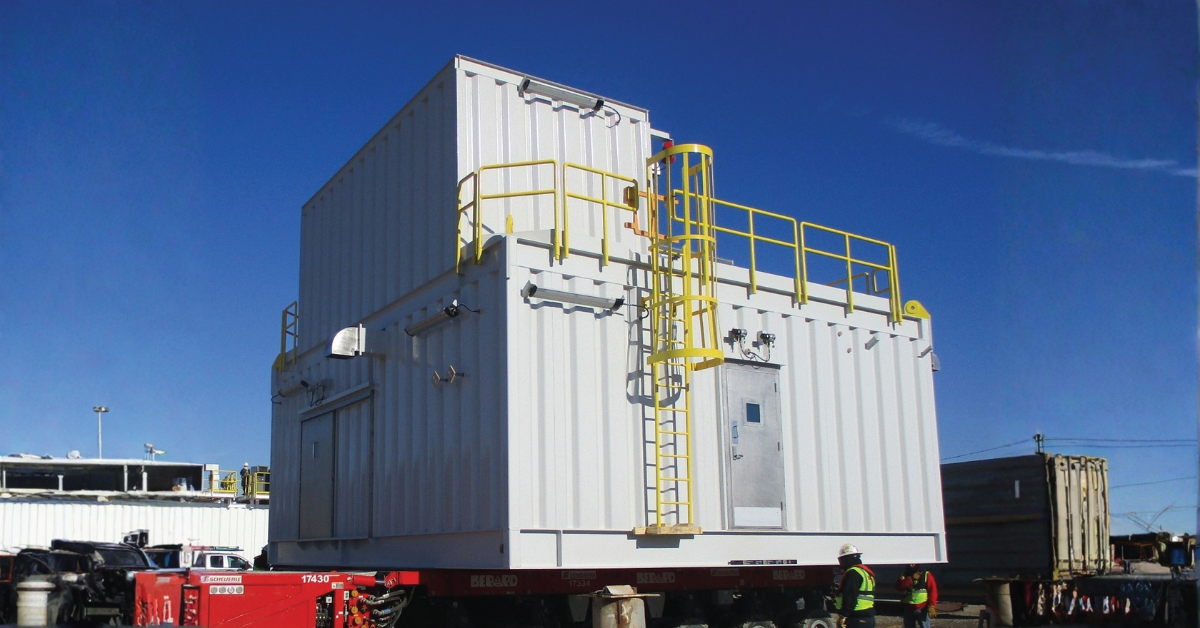
As offshore assets age, operators eventually face a critical decision: invest in refurbishment to extend service life or replace the existing infrastructure altogether. While offshore asset refurbishment can reduce upfront capital costs and maximize the value of existing assets, replacement may offer greater reliability, lower maintenance requirements and improved long-term performance. Determining the right path requires more than evaluating visible wear. It demands a comprehensive understanding of structural integrity, operational performance, regulatory compliance and the total lifecycle cost of the asset.
Recognizing When an Offshore Asset Is Reaching Its Limits
Aging offshore assets rarely fail without warning. Increasing maintenance requirements, recurring equipment failures, corrosion progression, fatigue damage and declining operational efficiency often develop gradually over time, while longer repair durations caused by obsolete components or limited spare-part availability can further reduce reliability. In many cases, assets are also operating under conditions that differ significantly from those considered during their original design, making periodic evaluations increasingly important as facilities mature.
Evaluating Whether Offshore Asset Refurbishment Is the Right Investment
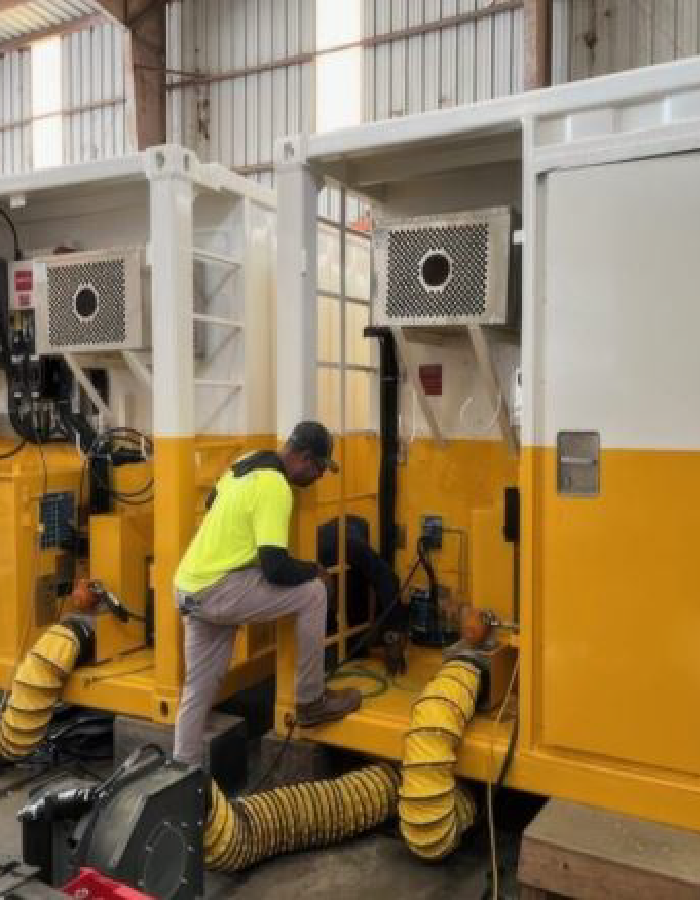
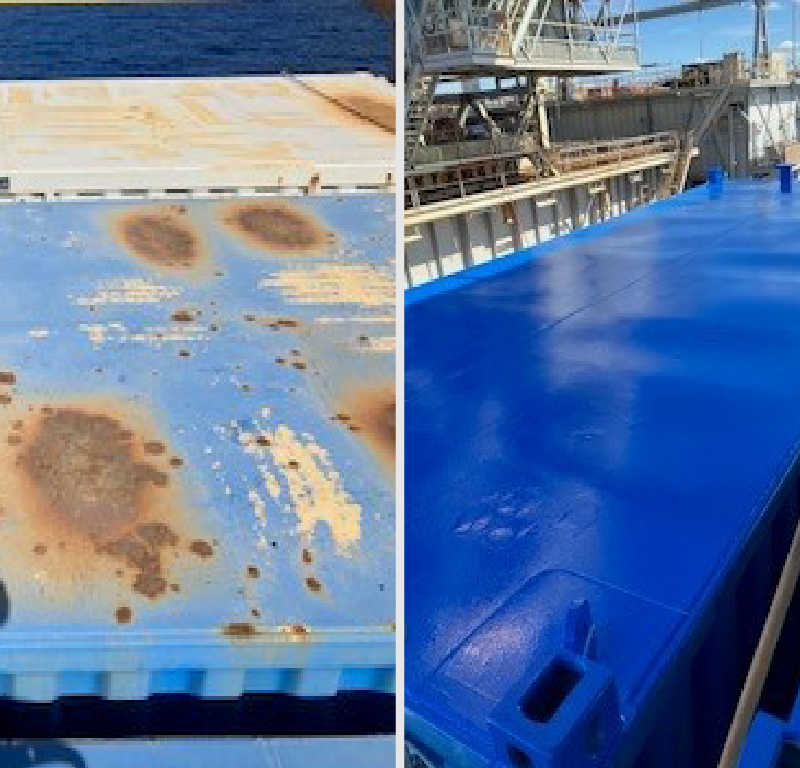
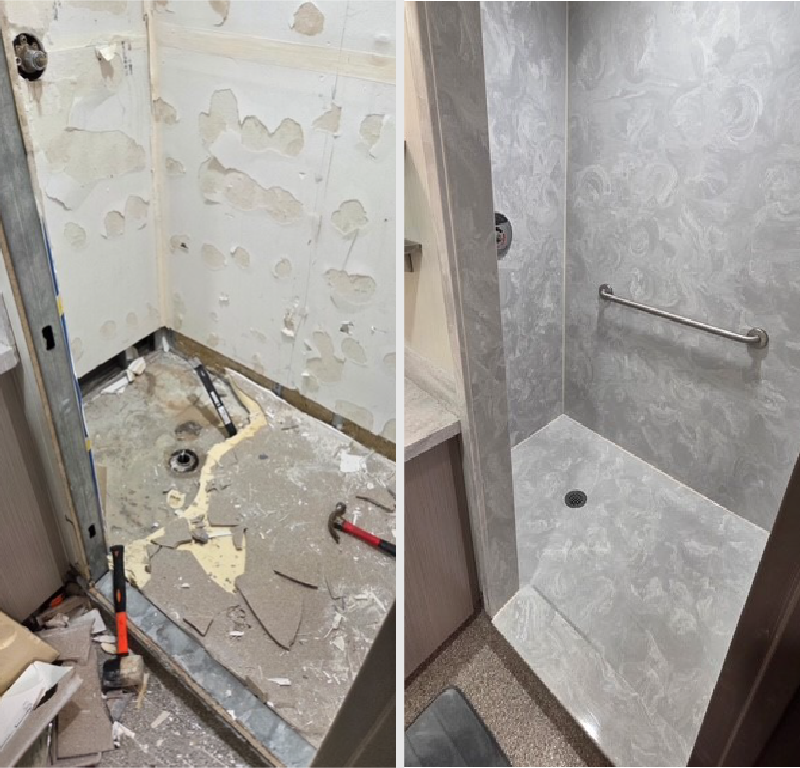
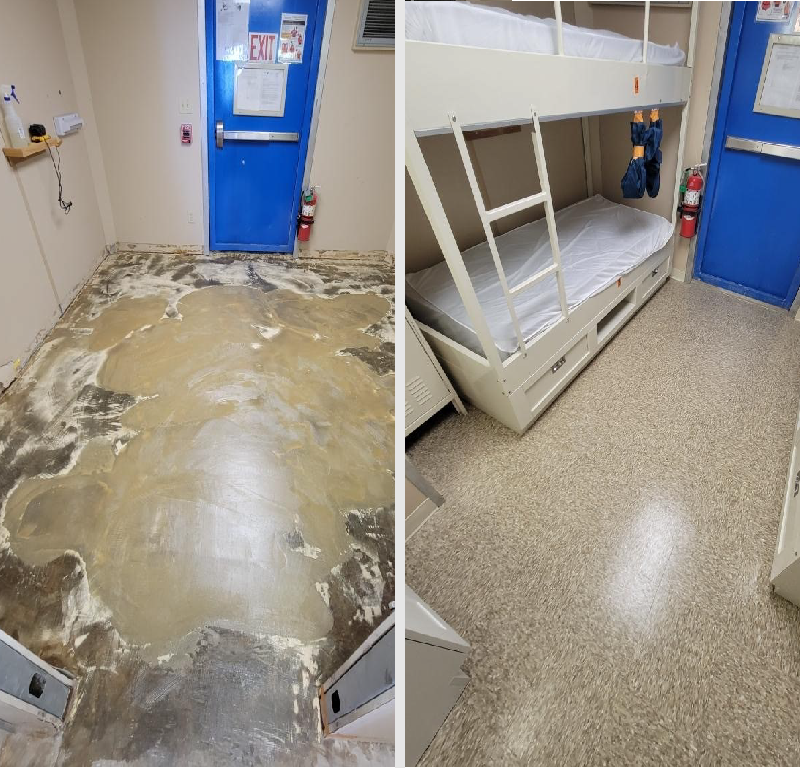
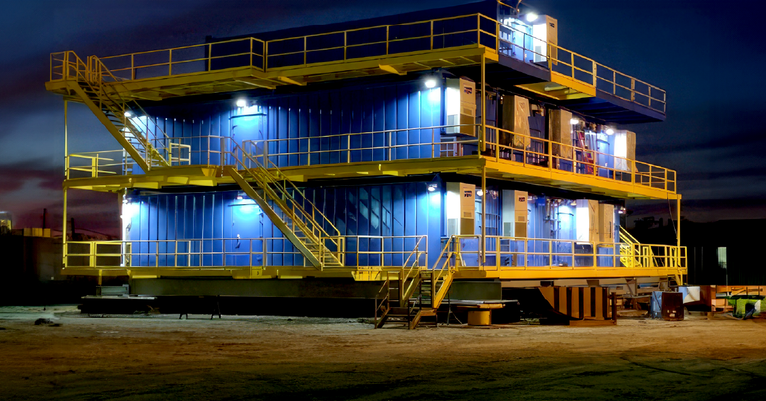
The decision to refurbish extends well beyond an asset’s visible condition. Offshore module refurbishment may involve anything from structural repairs and corrosion remediation to upgrades or replacement of individual systems and components. Engineers must evaluate structural integrity, remaining fatigue life, equipment obsolescence, asset criticality, safety performance, regulatory requirements and the availability of replacement components. They must also determine whether refurbishment can realistically restore acceptable performance and provide sufficient life extension to justify the investment. The objective is not simply to keep an asset operating longer, but to ensure it continues operating safely, reliably and efficiently throughout its remaining service life.
Reliable Data Leads to Better Decisions
Inspection and condition assessment data provide the foundation for every lifecycle extension strategy. Visual inspections, non-destructive testing and engineering assessments allow operators to quantify degradation, identify failure mechanisms and better understand an asset’s remaining useful life before making significant capital decisions. Without accurate condition data, refurbishment and replacement strategies rely on assumptions rather than measurable evidence, increasing both technical and financial risk.
Looking Beyond Upfront Cost
While refurbishment often requires less upfront capital, the true cost of ownership extends far beyond the initial investment. Operators must account for production losses during shutdowns, offshore lifting requirements, vessel availability, weather windows, workforce mobilization, future maintenance demands and overall operational reliability when comparing alternatives. In some cases, replacement is the more economical long-term solution because it reduces future outages, lowers maintenance costs and improves operational performance over the facility’s remaining lifecycle.
Managing Risk Throughout the Asset Lifecycle
As offshore infrastructure ages, deterioration often becomes more difficult to identify. Corrosion, fatigue damage and material degradation may remain hidden until equipment is dismantled, while undocumented modifications, obsolete systems and evolving regulatory requirements can introduce additional challenges that are not immediately apparent during routine operations. Because operators must demonstrate compliance with applicable safety, structural integrity and environmental standards, refurbishment is only a viable option when those requirements can be met with confidence.
Deciding Between Offshore Asset Refurbishment and Replacement
Successful lifecycle management depends on balancing structural integrity, operational reliability, maintenance requirements, regulatory compliance and long-term business objectives rather than focusing solely on capital expenditure. Every offshore asset presents a unique combination of technical, operational and economic considerations, making a comprehensive engineering assessment essential before deciding whether refurbishment or replacement will deliver the greatest long-term value. With the right data and engineering expertise, operators can optimize asset performance while maintaining the safety, reliability and compliance expected throughout the life of the facility.
If you’re evaluating whether to refurbish or replace an aging offshore asset, talk with Armoda about your project requirements and the refurbishment or replacement options available.