As LNG facilities become larger, more complex and increasingly schedule-driven, developers face growing pressure to control costs, secure skilled labor and maintain predictable project timelines despite difficult construction conditions. For many operators, the challenge is no longer whether an LNG facility can be engineered, but whether it can be built with greater certainty.
This is changing how projects are executed. Rather than relying solely on traditional field construction, many developers are moving more fabrication, integration and testing into controlled fabrication facilities where quality, productivity and scheduled performance can be managed more consistently. LNG modular construction has become an increasingly important part of that strategy, not simply because it can accelerate construction, but because it helps reduce many of the variables that have traditionally complicated large industrial projects.
Why Traditional LNG Construction Is Becoming More Challenging
The Gulf Coast remains one of the world’s most active regions for LNG development thanks to its access to natural gas resources, deepwater ports and established industrial infrastructure. It also presents some of North America’s most demanding construction environments.
Major LNG developments compete with petrochemical facilities, refineries, power generation projects and other industrial construction for the same skilled workforce. At the same time, hurricanes, heavy rainfall, extreme heat and site congestion create uncertainty throughout the construction process.
Every delay has the potential to affect commissioning schedules, labor productivity and overall project costs. As a result, many developers are evaluating construction methods that reduce reliance on large on-site workforces while improving execution predictability.
The Growing Value of Modular Construction
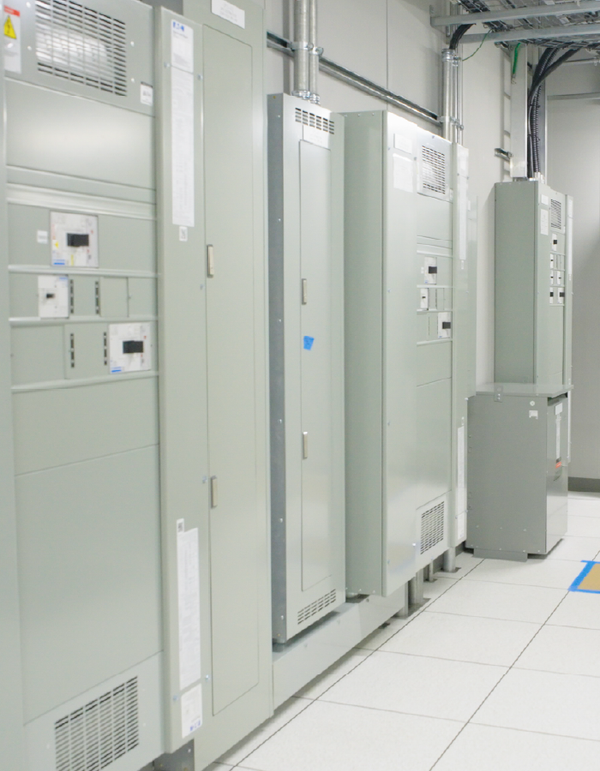
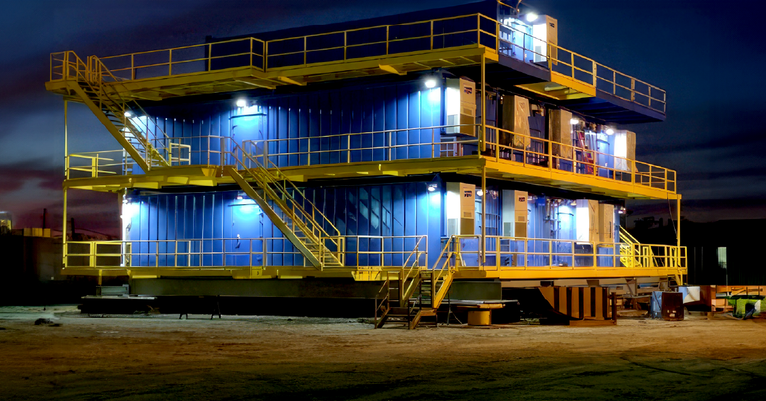
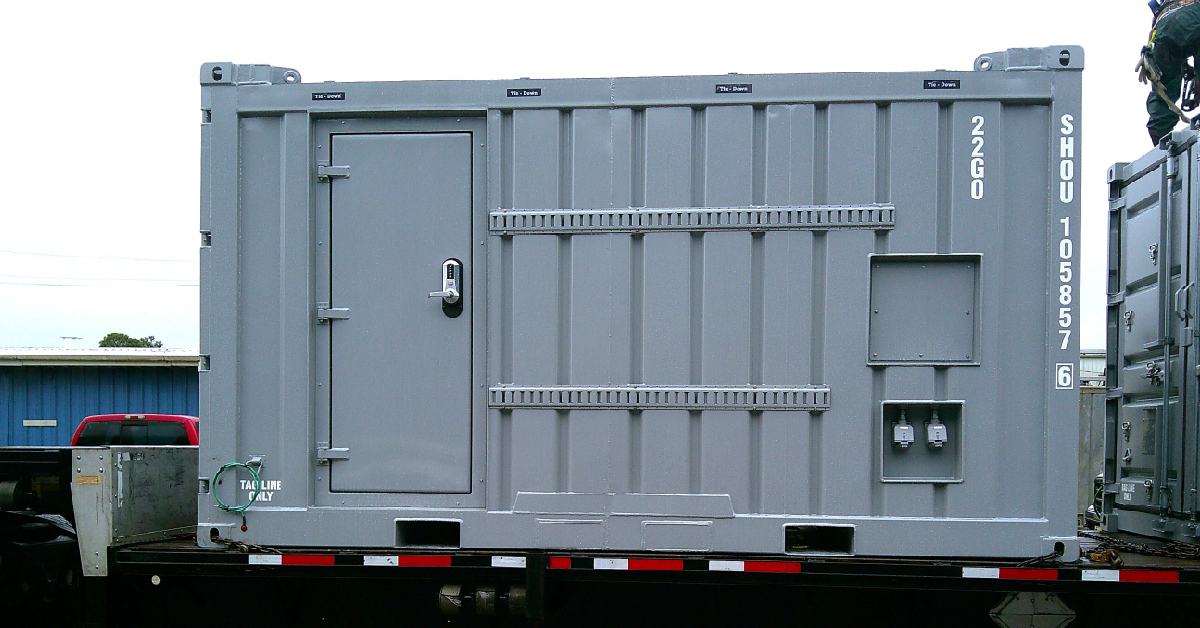
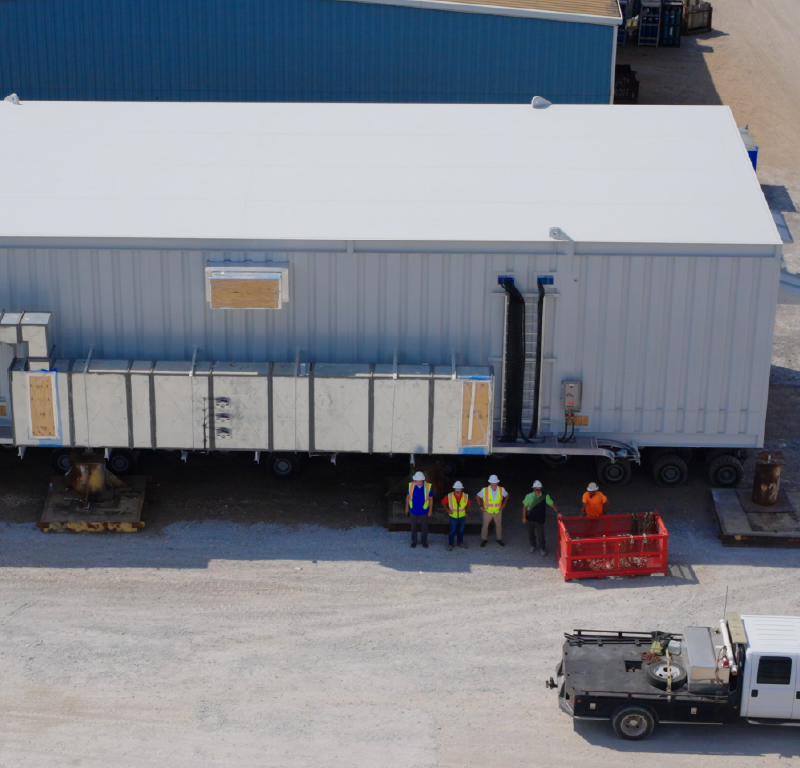
Modular construction allows significant portions of an LNG facility to be fabricated, assembled and integrated before arriving on-site. Structural steel, electrical systems, instrumentation, mechanical equipment and architectural components can often be installed within a controlled fabrication environment before transport to the final project location.
Completing more work off-site provides several advantages. Fabrication activities are less vulnerable to weather interruptions, quality control procedures become more consistent and multiple trades can work simultaneously in a controlled environment rather than competing for limited space on an active construction site.
Building Offshore LNG Modules Before They Reach the Jobsite
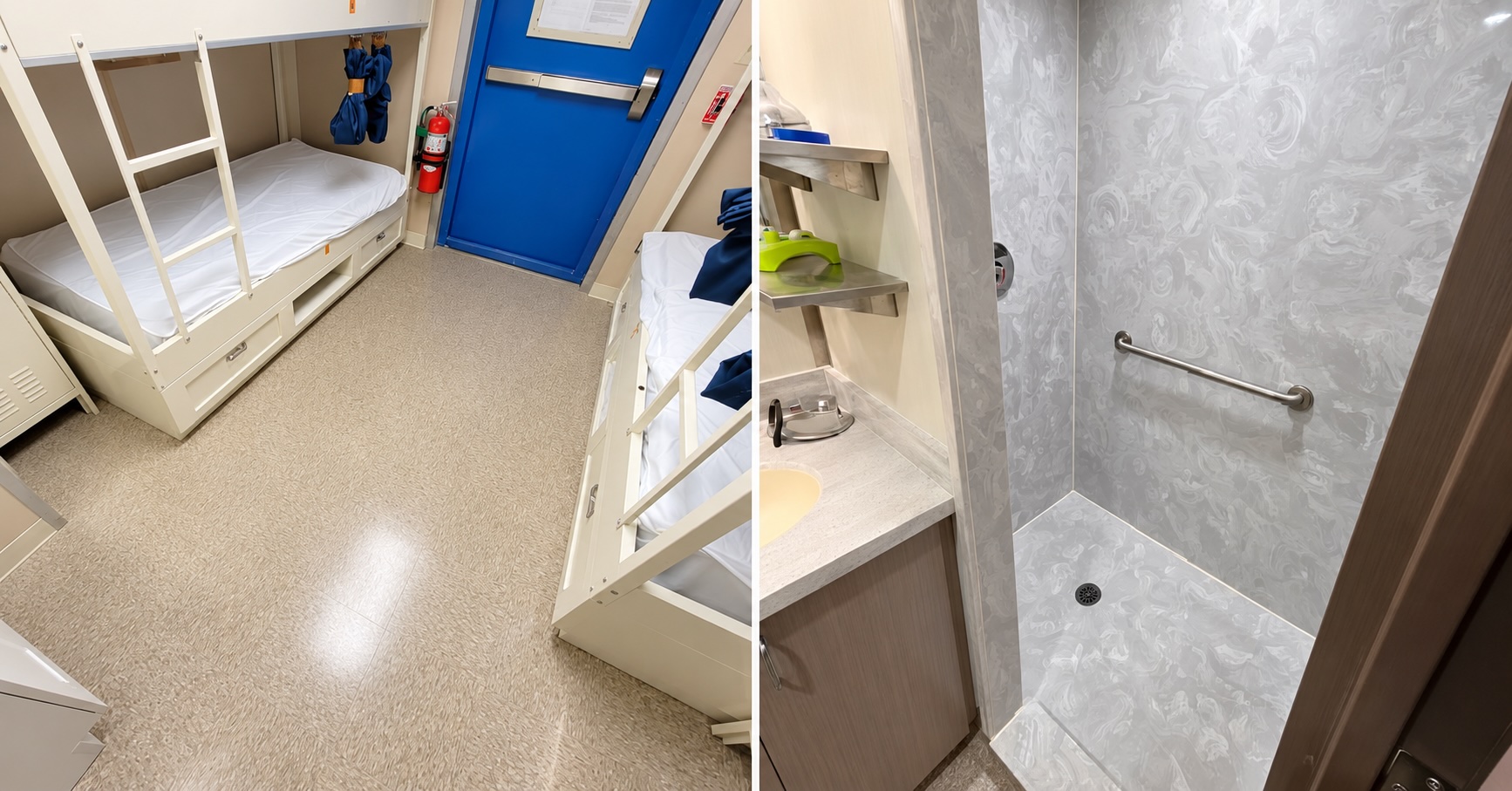
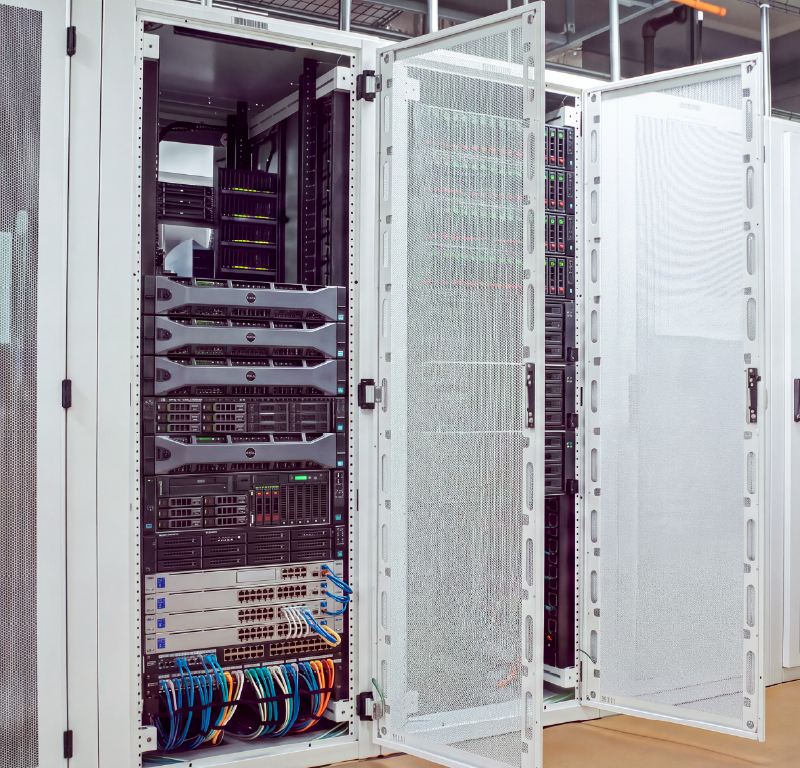
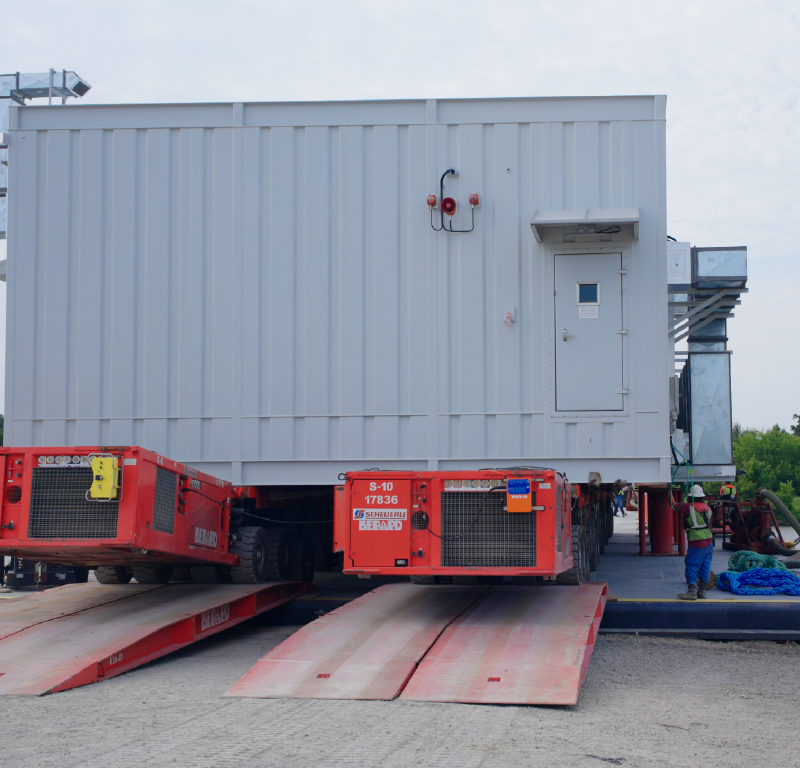
The greatest value of modular construction extends beyond simply prefabricating steel. Today’s offshore modules often leave the fabrication facility with electrical systems installed, piping integrated, HVAC equipment connected, and instrumentation tested. By completing more integration earlier in the project lifecycle, developers can significantly reduce the amount of assembly required after installation.
This approach also allows inspection and quality verification under controlled conditions, where access to equipment, tooling and engineering resources is more readily available. Identifying and correcting issues during fabrication is often far less disruptive than resolving them after installation.
Reducing Construction Risk Through Controlled Fabrication
Controlled fabrication facilities provide stable working conditions that are difficult to replicate on active industrial jobsites. Welding procedures, dimensional verification, coating application, equipment alignment and system testing can all be performed with greater consistency before transportation.
Safety also benefits from this approach. Every hour of fabrication completed off-site reduces the amount of work performed around heavy equipment, elevated work areas and simultaneous construction activities. For brownfield LNG expansions, minimizing on-site construction can also reduce disruption to existing operations and help projects maintain tighter installation windows.
A Different Way to Deliver LNG Infrastructure
The growing adoption of modular construction reflects a broader shift across the energy industry. Project teams are placing greater emphasis on execution certainty alongside traditional measures such as installed cost and production capacity.
Modular construction is not necessarily the right solution for every LNG development. Project size, transportation logistics, waterfront access and fabrication capabilities will always influence the best execution strategy. However, the industry is moving toward higher levels of off-site fabrication, greater system integration and more standardized construction practices because they help address many of today’s most significant project challenges.
Ultimately, modular construction represents more than a different way to build offshore modules. It reflects a different way of managing risk throughout the entire project lifecycle. As LNG developments evolve, the projects that achieve the greatest success may not simply be those built the fastest, but those executed with the highest degree of certainty from engineering through installation.
Discuss Your LNG Modular Construction Needs With Armoda
Every LNG project presents unique engineering and construction challenges. Armoda works with developers to deliver custom offshore modules and modular fabrication solutions tailored to specific project requirements. Contact our team to discuss how we can support your next LNG project.