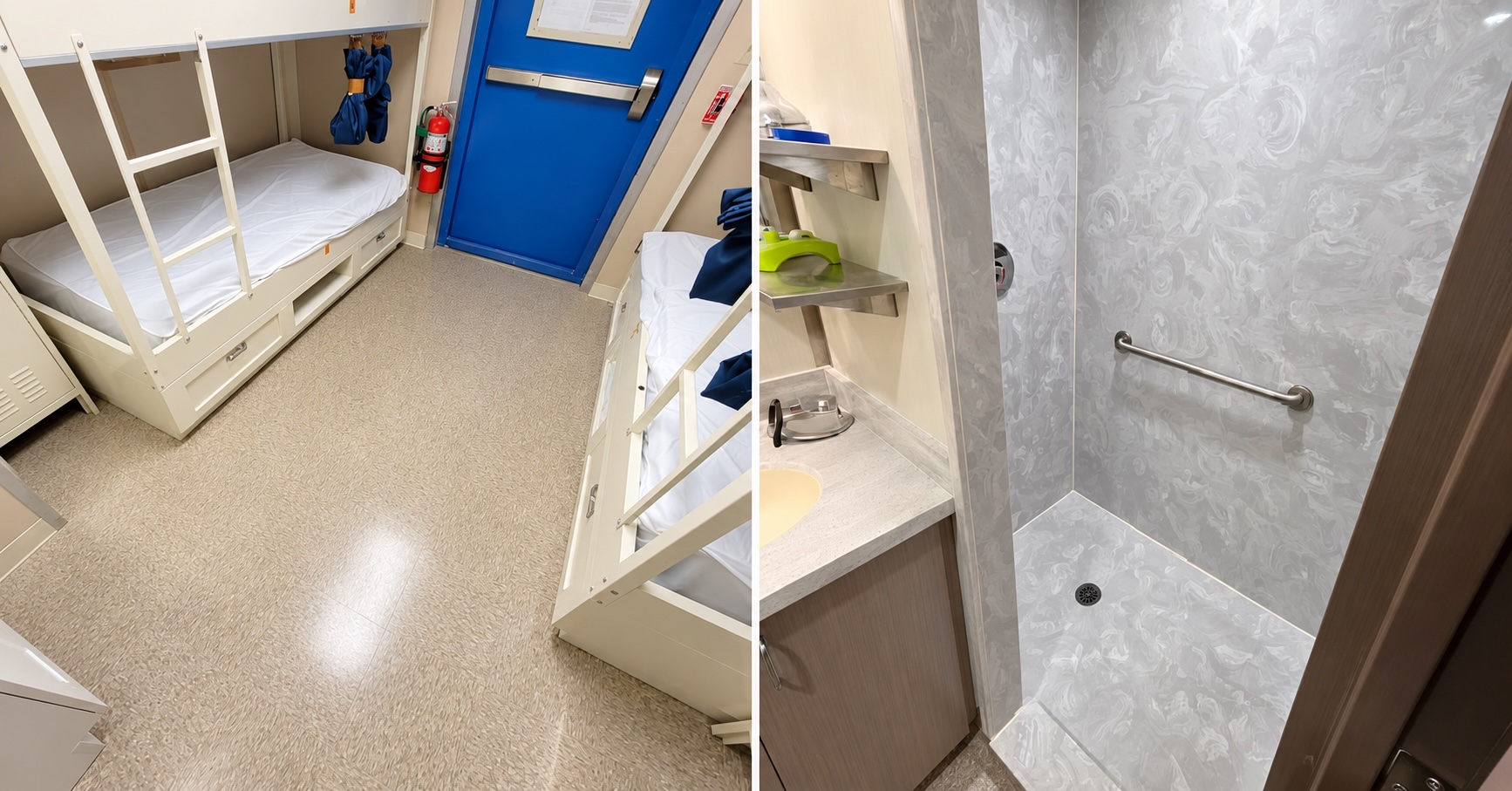
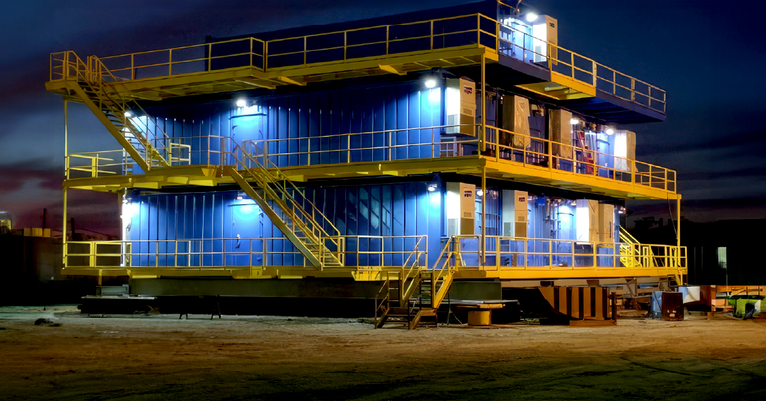
Many offshore assets remain in service long after they were originally placed into operation. Built to the standards and regulatory requirements of their time, these legacy assets have often provided years, if not decades, of reliable performance. As industry expectations continue to evolve, however, operators increasingly face the challenge of determining whether existing assets can continue to meet today’s safety, operational and compliance requirements.
In many cases, the answer is not replacement, but refurbishment. A well-executed refurbishment program can extend the useful life of a legacy asset while addressing outdated systems, improving safety and restoring functionality for years of continued service. The key is understanding the asset’s condition, identifying the upgrades that provide the greatest value, and ensuring that every modification supports current operational requirements. Assets typically available for upgrading often include living quarters, galleys, diners, recreation rooms, showers, etc.
Age Alone Does Not Determine Whether an Asset Should Be Replaced
A legacy asset is not necessarily unsafe. Most were designed and constructed in accordance with the codes and standards that existed when they were built, but changes in regulations, operating requirements and industry best practices may leave older assets no longer aligned with current expectations. While some assets can continue operating with relatively minor upgrades, others require more extensive refurbishment to remain safe, compliant and reliable.
A Thorough Inspection Reveals the Full Scope of the Project
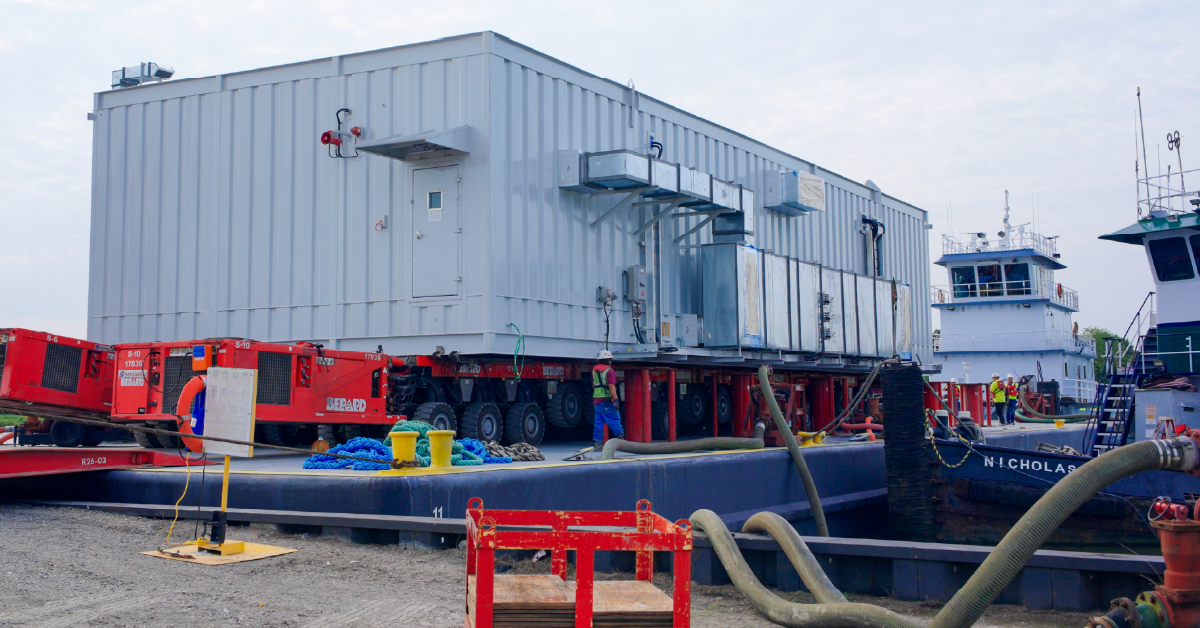
The condition of the structure ultimately determines whether refurbishment is practical. While coating deterioration, worn architectural finishes and outdated electrical systems are common findings, inspections may also uncover asbestos, evidence of previous modifications or repairs and other conditions that are not immediately visible during routine operation. Whether the asset is an accommodation module or another offshore facility, a thorough assessment provides the foundation for informed decision-making.
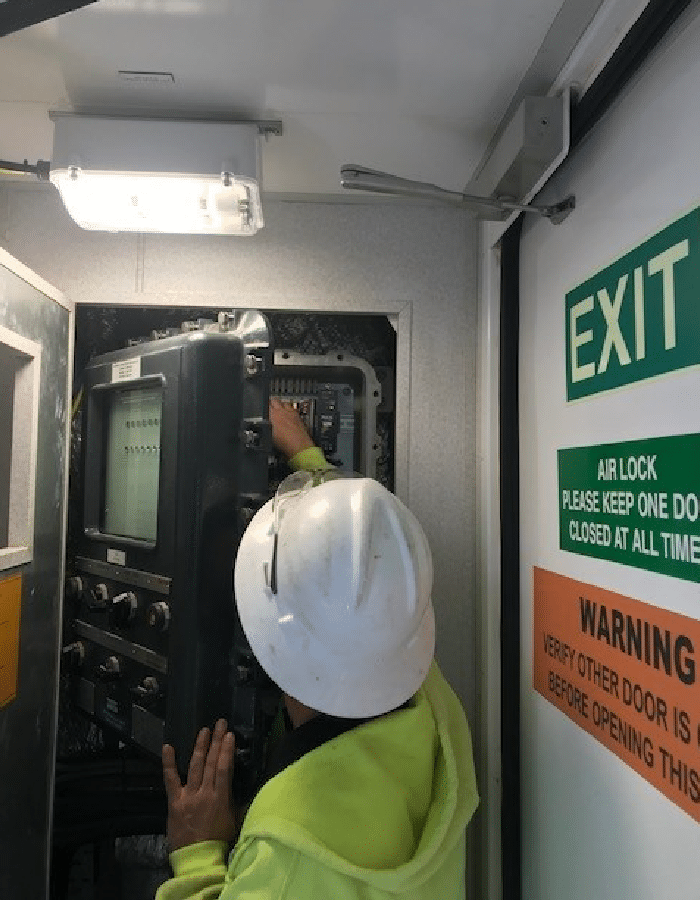
A typical refurbishment project begins with a site survey and review of the customer’s operational requirements. From there, engineering and project teams develop the scope of work, prepare a bill of materials and complete the necessary upgrades before conducting a final inspection to verify the asset is ready to return to service. This structured approach helps operators understand the asset’s true condition before making significant capital decisions.
Modernization Often Focuses on Safety and Habitability
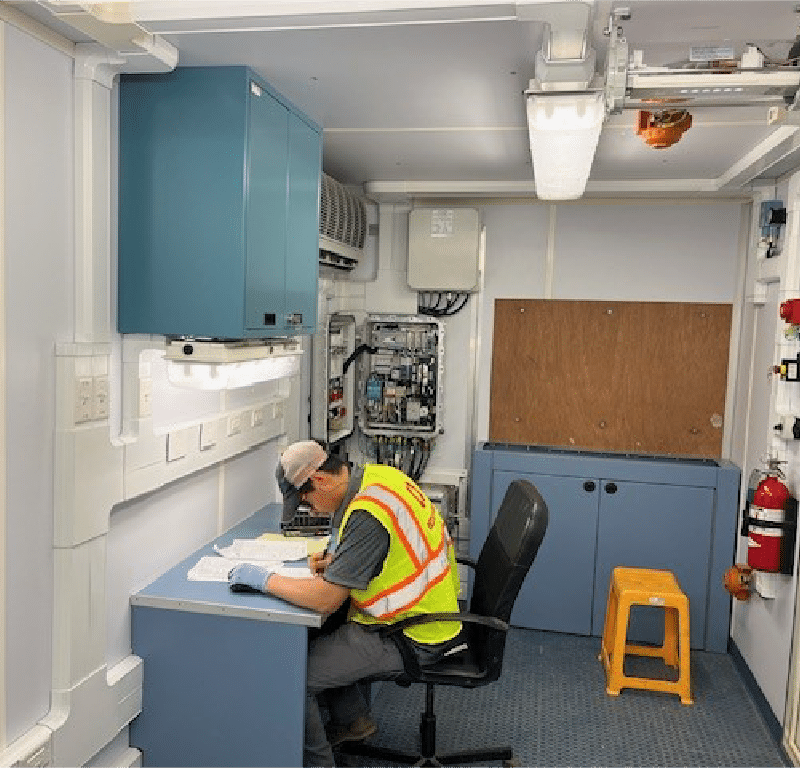
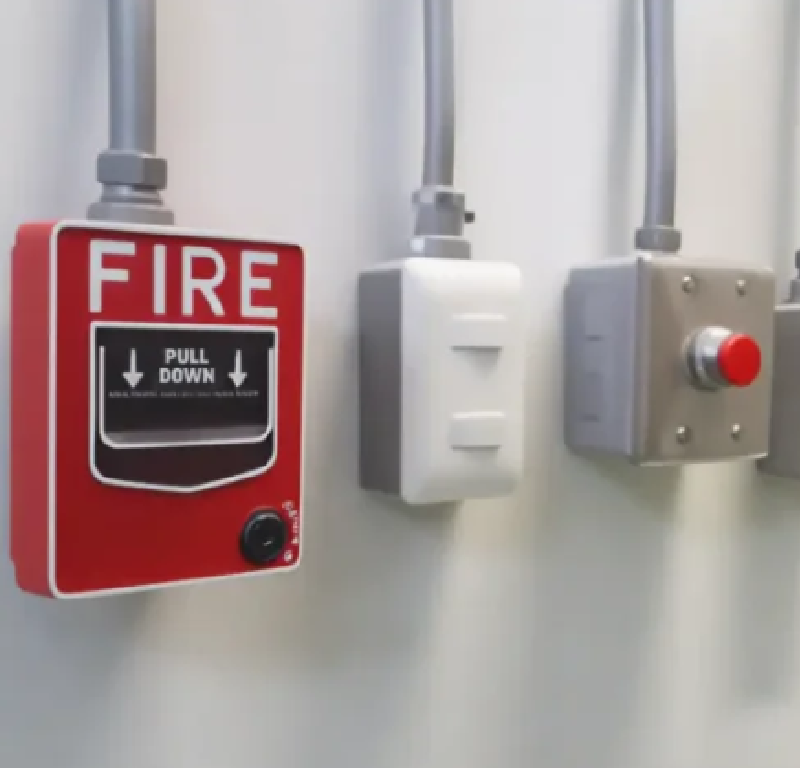
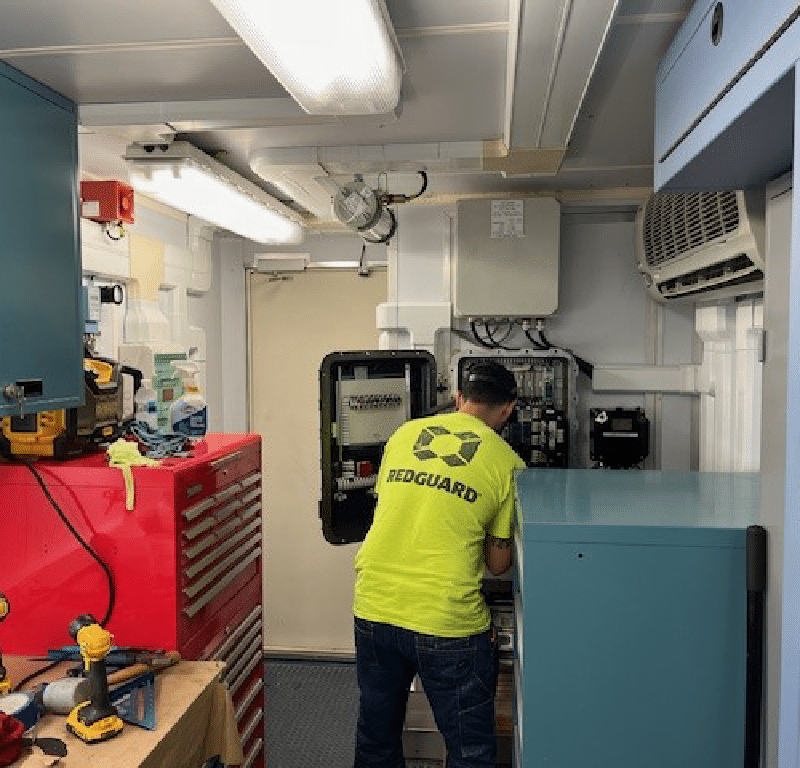
Many refurbishment projects involve improvements that increase both safety and functionality. Electrical upgrades, door replacements, duct cleaning, asbestos abatement and architectural improvements such as new flooring, walls, showers and accommodations are among the most common modifications performed on legacy offshore assets. Together, these upgrades help operators extend asset life while improving the working environment for personnel who depend on these facilities every day.
Structural Integrity Remains the Deciding Factor
One of the most common misconceptions surrounding legacy assets is that older assets cannot be refurbished. In reality, the feasibility of refurbishment depends less on the asset’s age than on the condition of its structural shell. When the primary structure remains sound, many systems can be upgraded or replaced to support continued operation and extend the asset’s useful life.
Conversely, when structural deterioration has progressed beyond practical repair, replacement may become the more effective long-term solution. Determining the appropriate path requires a comprehensive evaluation that considers both the structure’s condition and the facility’s operational objectives.
Extending Service Life Requires More Than Cosmetic Improvements
The objective of refurbishment is not simply to make an older asset look new. It is to improve safety, restore functionality and position the asset to meet today’s operational and regulatory expectations without unnecessary interruption to offshore operations. By addressing deficiencies before they become larger problems, operators can reduce risk, preserve existing investments and avoid the disruption associated with replacing critical infrastructure.
Every legacy asset presents a different set of challenges, which is why successful refurbishment begins with a thorough understanding of its structure and intended use.
At Armoda, our team evaluates each offshore asset individually to determine whether refurbishment can safely extend its service life or whether replacement provides the better long-term solution, helping operators maximize the value of their existing infrastructure while maintaining the safety and reliability expected in today’s offshore environment. Explore our refurbishment options to learn more.