Offshore Modules Experience Multiple Load Conditions
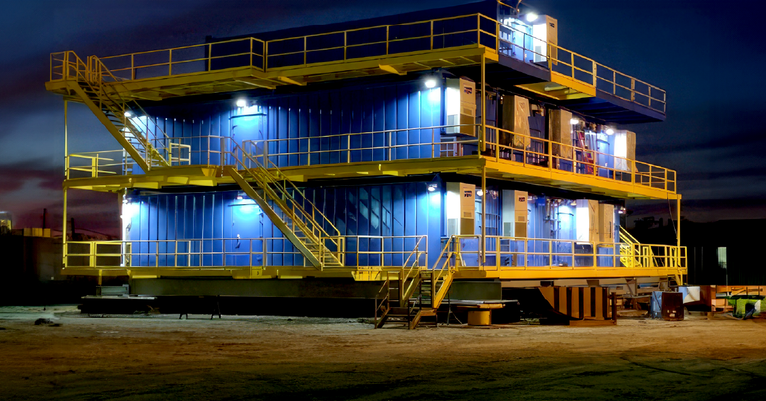
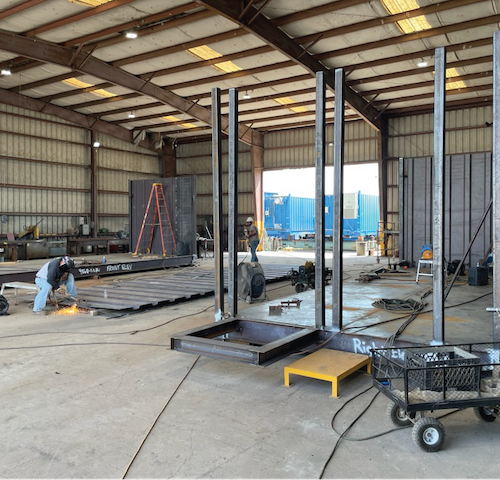
An offshore module’s performance is determined long before it reaches the platform. Every stage of offshore module fabrication is influenced by decisions made during engineering. Those decisions affect fabrication, transportation, installation, and, ultimately, the success of the project offshore. While these phases are often viewed as separate milestones, they are closely connected, and challenges introduced early in the process frequently become more difficult and more expensive to resolve later.
Successful offshore projects recognize that module delivery is not simply a fabrication exercise. It is an integrated process that begins during conceptual engineering, continues through fabrication and quality assurance, and concludes only after the module has been safely installed and commissioned offshore. When engineering, construction, and logistics are aligned from the outset, operators are better positioned to reduce risk, maintain schedule certainty and improve overall project execution.
Successful Projects Begin During Concept Development
The greatest opportunities to improve project execution often occur before fabrication begins. During the conceptual and Front-End Engineering Design (FEED) phases, project teams determine whether modularization provides advantages over traditional stick-built construction by evaluating offshore labor requirements, platform accessibility, weather constraints and project schedules.
Just as importantly, early engineering decisions establish the framework for every phase that follows. Module dimensions, structural design criteria, equipment layout, lifting philosophy, transportation strategy and installation methodology all influence how efficiently the module can be fabricated, transported and installed. Addressing these considerations early helps minimize redesign, reduces constructability challenges and improves schedule predictability throughout the project.
Offshore Engineering Must Account for the Platform Long Before Installation
An offshore module cannot be designed independently of the facility where it will operate. Platform deck space, structural capacity, crane limitations, lifting requirements and load distribution all influence the engineering approach from the earliest stages of design.
To ensure compatibility with the host facility, engineering teams develop detailed weight control programs, manage center-of-gravity requirements and perform lifting studies that verify the module can be transported and installed safely while maintaining operational functionality and maintenance accessibility. These considerations help prevent costly modifications once fabrication is underway or offshore installation begins.
Offshore Module Fabrication Depends on Planning as Much as Production
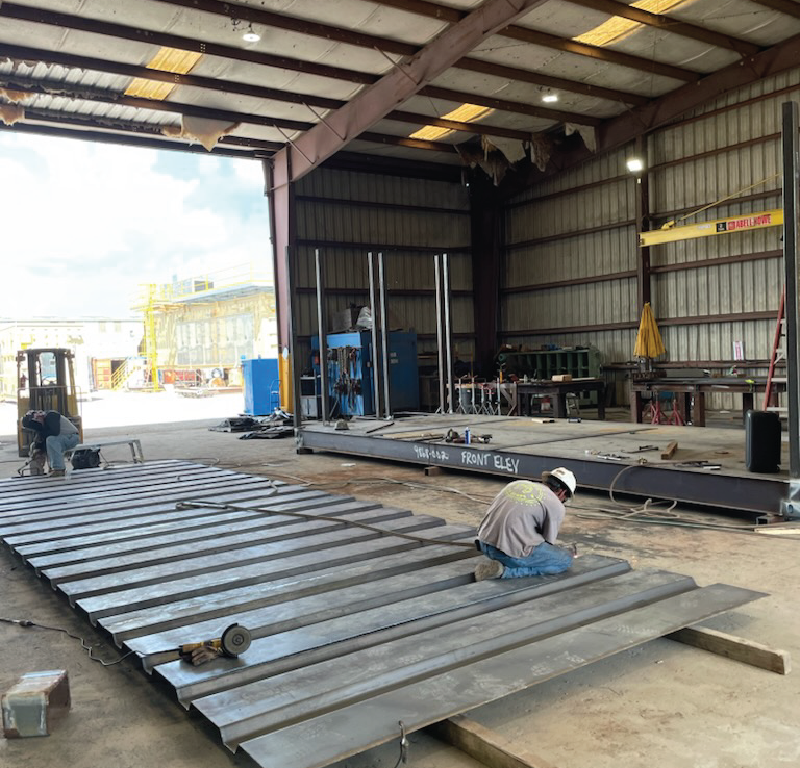
Even the best engineering can be affected by challenges that arise during fabrication. Material procurement delays, design revisions, labor availability, supply chain disruptions and coordination between multiple disciplines all have the potential to affect schedule performance if they are not managed effectively.
Maintaining close communication between engineering, procurement and fabrication teams helps identify potential issues before they result in rework or production delays. Equally important is a comprehensive quality program that includes material traceability, qualified welding procedures, non-destructive testing, coating inspections, dimensional verification and detailed documentation. Because offshore modules operate in demanding environments where repairs can be costly and difficult, quality assurance remains an essential component of every successful project.
The Journey to the Platform Requires Careful Coordination
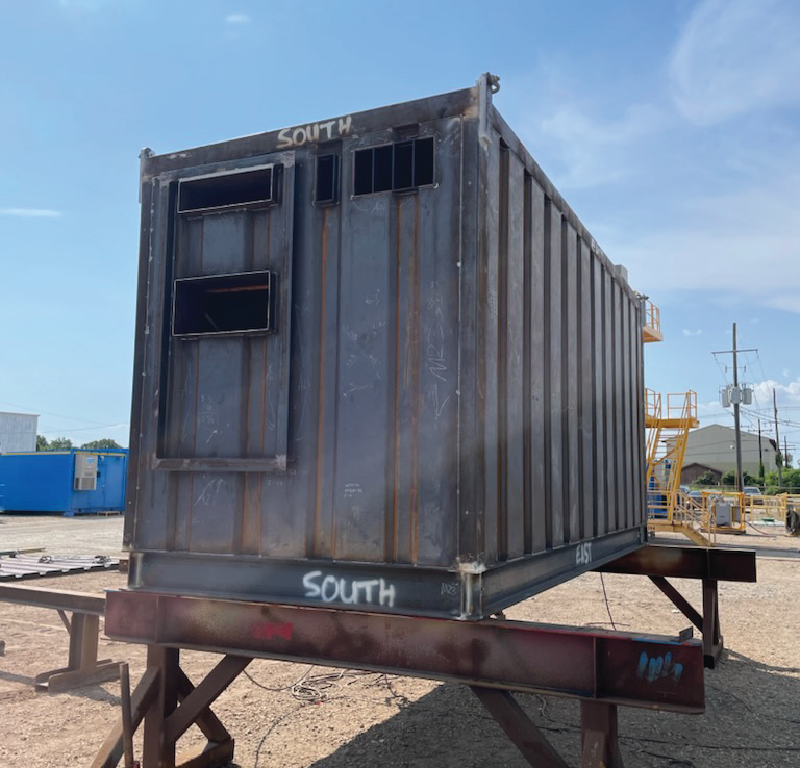
Completing fabrication does not mark the end of the project. Before a module leaves the yard, teams complete functional testing, pressure testing, factory acceptance testing and, where practical, pre-commissioning activities, while verifying weight and center-of-gravity information and arranging transportation.
Transportation and offshore lift planning often begin months before fabrication is complete because vessel availability, crane capacity, weather conditions, marine logistics and offshore installation windows frequently become critical path activities. During loadout and installation, maintaining structural integrity, controlling module movement and coordinating multiple contractors requires careful planning and execution to ensure the module arrives safely and on schedule.
Offshore Execution Requires More Than Fabrication Expertise
Offshore module fabrication is only one part of successful project delivery. The most effective project partners understand how engineering, certification, quality assurance, logistics and installation influence one another throughout the project lifecycle. By participating early in project development, supporting constructability reviews, identifying risks before fabrication begins and coordinating closely with all project stakeholders, they help improve schedule certainty while reducing rework and execution risk.
Experience has consistently shown that the strongest outcomes occur when engineering, fabrication, transportation and installation are managed as a single integrated process rather than a series of independent activities. When each phase is planned with the next in mind, operators benefit from safer installations, more predictable schedules and greater confidence from yard to platform. If you’re planning an offshore modular project, contact the Armoda team about engineering, fabrication and project execution strategies that support safer, more predictable delivery.
Frequently Asked Questions About Offshore Module Fabrication
What is offshore module fabrication?
Offshore module fabrication is the process of engineering, constructing, testing and preparing prefabricated structures for installation on offshore platforms or facilities. Fabricating modules onshore allows much of the work to be completed in a controlled environment before transportation and offshore installation.
Why is engineering so important in offshore module fabrication?
Engineering decisions made early in a project influence every stage of offshore module fabrication, including structural design, equipment layout, lifting requirements, transportation, installation and long-term performance. Addressing these considerations during the conceptual and FEED phases helps reduce redesign, improve constructability and support more predictable project schedules.
How are offshore modules transported and installed?
After fabrication, testing and quality assurance activities are complete, offshore modules are prepared for loadout and transported by barge or heavy-lift vessel. Installation planning considers factors such as crane capacity, weather conditions, module weight, center of gravity and offshore lift requirements to help ensure a safe and efficient installation.
Why do offshore module projects require close coordination between engineering, fabrication and logistics?
Each phase of an offshore module project affects the next. Engineering influences fabrication, fabrication affects transportation, and transportation impacts installation. Close coordination between engineering, procurement, fabrication and logistics teams helps reduce rework, minimize delays and improve overall project execution.