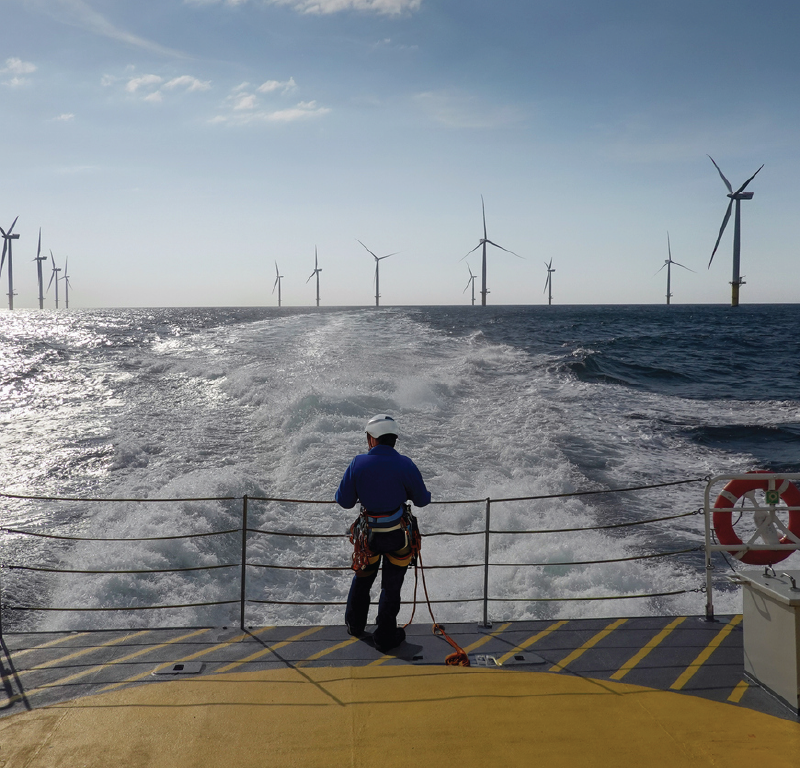
As offshore wind continues to expand in the U.S., projects are becoming more complex and far less standardized. A recent milestone highlights that shift: the development of the first Jones Act-compliant cable-lay barge designed specifically for offshore wind operations.
At its core, the project focused on a critical function: transporting, installing and burying subsea cables that connect offshore turbines to the onshore power grid. But delivering on that goal required more than simply supplying equipment. It called for a flexible, highly customized approach that could adapt to tight constraints, harsh conditions and evolving project requirements.
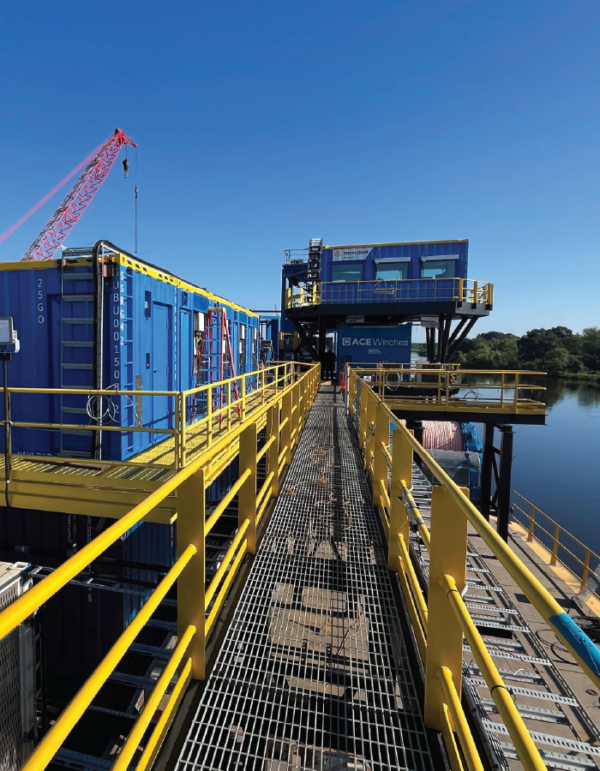 That’s where Armoda’s role came into focus. Armoda was brought in early in the project lifecycle, and the team worked closely with the client to define the scope and develop solutions that met both operational demands and the barge’s physical limitations. Rather than applying a standard template, the approach was collaborative from the start, aligning design, engineering and installation strategies with the realities of the project.
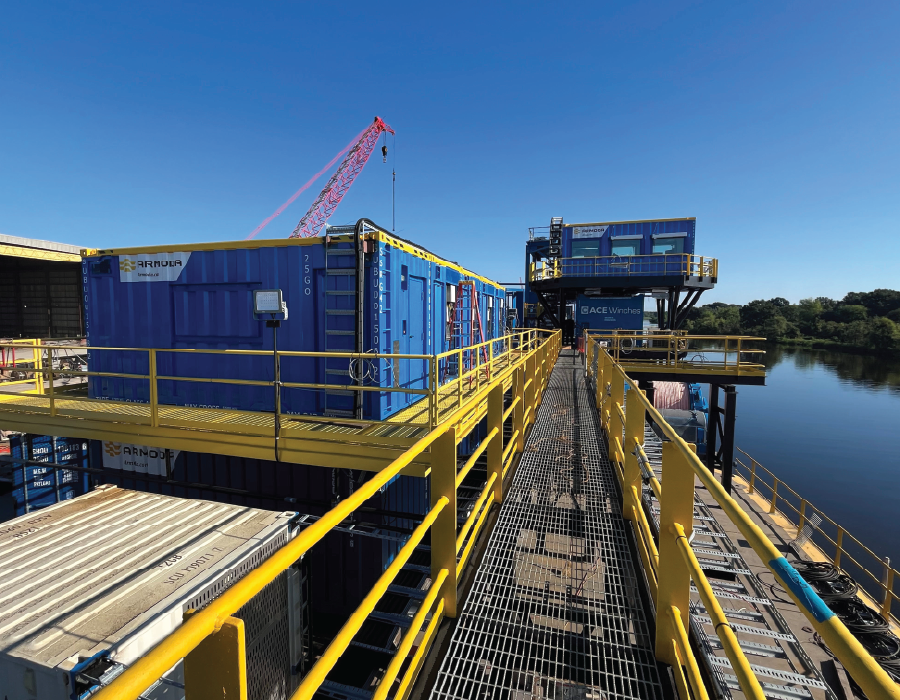
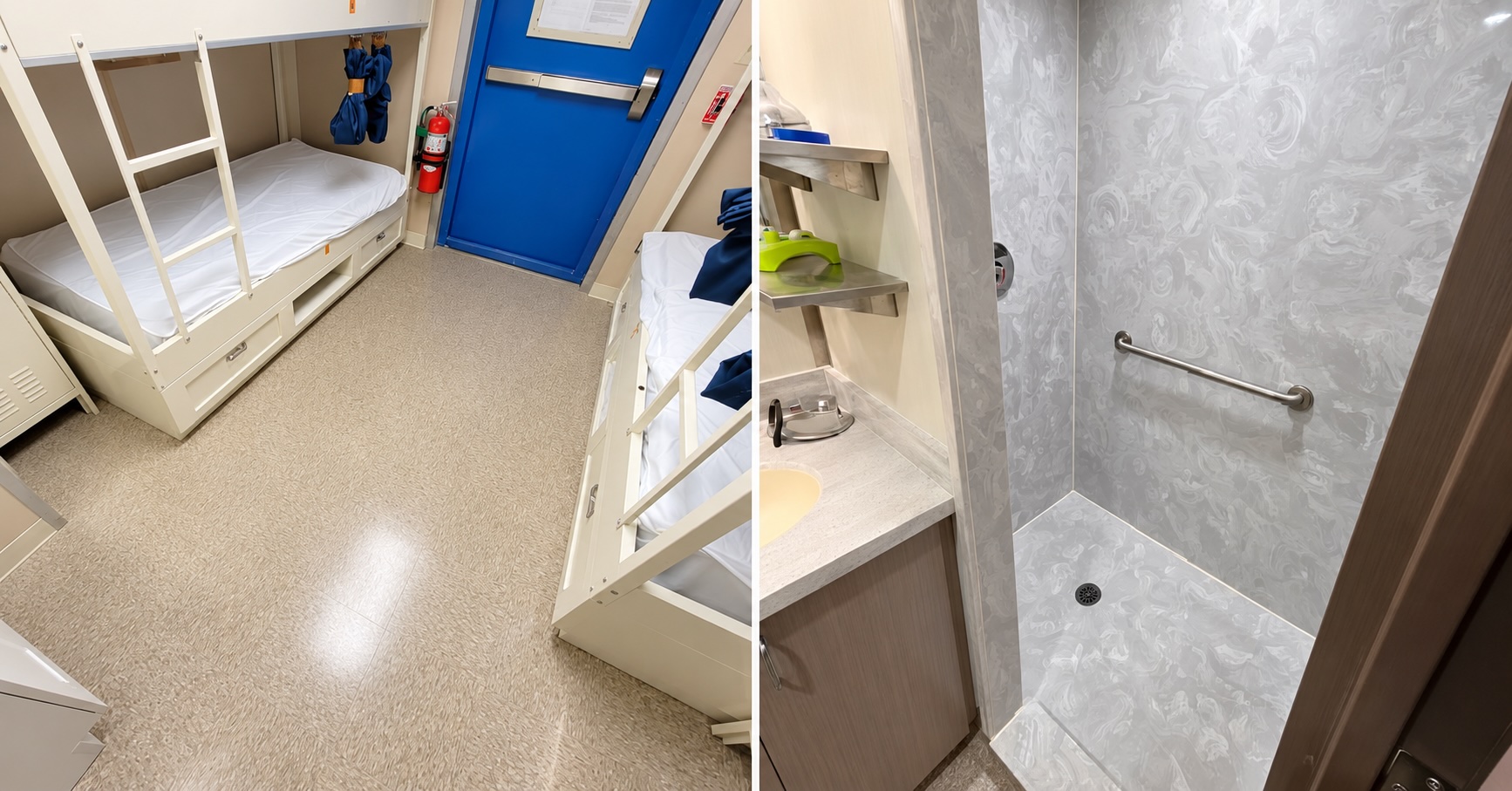
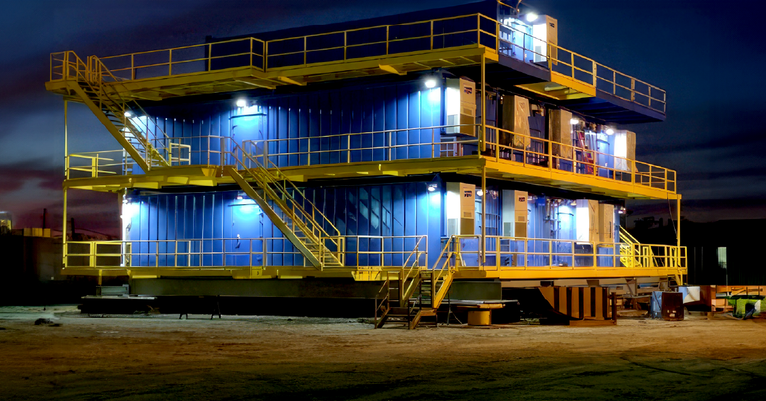
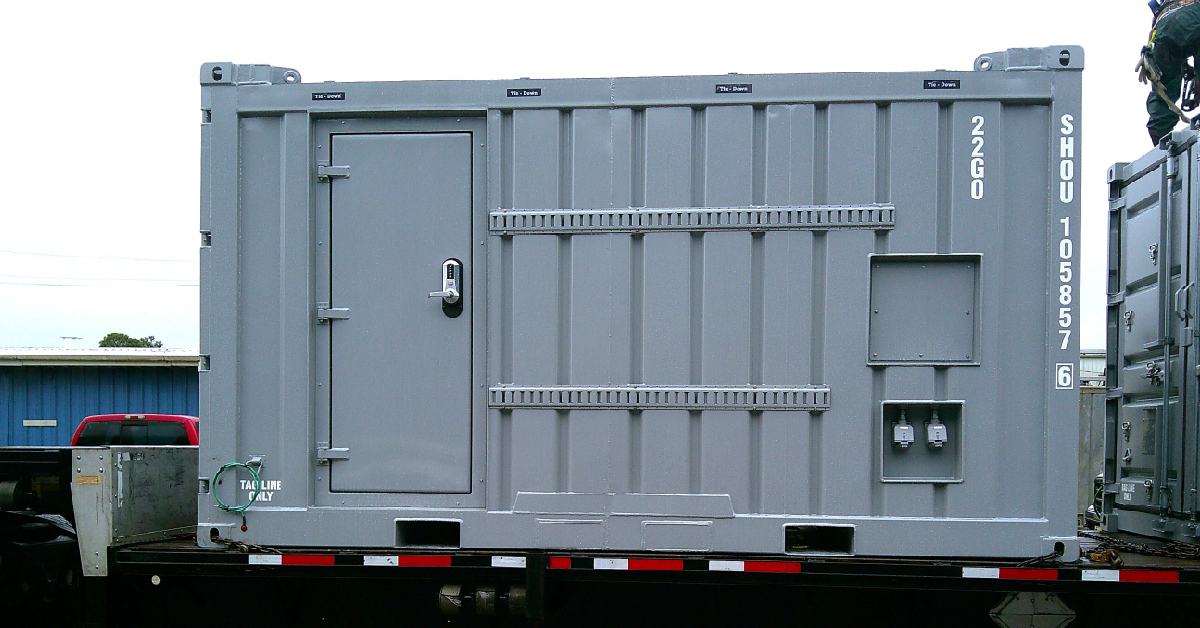
One of the biggest challenges was space. The barge itself was already heavily outfitted with specialized cable-lay equipment, leaving very little room for additional infrastructure. To make it work, the solution centered on compact, modular units. Using standard 20-foot designs as a foundation, Armoda customized each module to meet the vessel’s specific operational needs. Offices, control rooms, workshops and living spaces were carefully configured and stacked, with custom access systems added to maximize functionality while minimizing footprint. Every decision came back to efficiency—how to do more with less space.
At the same time, the design had to account for the realities of operating offshore in the Northeast. Cold, wet and unpredictable weather conditions meant that systems couldn’t just function. They had to perform reliably in subzero environments. Water and sewer systems were engineered accordingly, while the modules themselves were built to withstand installation in exposed, unprotected areas of the vessel. Structural integrity was a key consideration throughout, with all units designed to meet strict American Bureau of Shipping (ABS) requirements for offshore use.
Safety was equally central to the design. Because these modules are actively occupied during operations, each was built to A60 fire rating and equipped with integrated fire detection and PA/GA communication systems tied into the main control room. This allows for real-time monitoring and rapid response across the entire barge. Beyond that, the project had to meet rigorous standards from multiple regulatory bodies, including ABS, the U.S. Coast Guard and DNV, all of whom were involved throughout the design, inspection and certification process.
All modules were designed and manufactured in New Iberia, Louisiana, giving Armoda a logistical advantage during fabrication and integration. Leveraging pre-approved structural designs helped reduce engineering time, while the team focused on tailoring each unit to the project’s specific needs. But Armoda’s involvement didn’t stop at delivery. Their service teams were deployed on-site to support installation and commissioning, working alongside other contractors to ensure systems were integrated efficiently and correctly.
Some of the most complex elements of the project were the navigation bridge and control room modules. These spaces required extensive integration of control systems, electronics and cabling, often involving hundreds of connection points across the vessel. Ensuring that everything functioned seamlessly while also meeting safety requirements, such as fire-rated cable penetrations, added another layer of complexity. It was detailed, highly technical work, but essential to the operation’s overall success.
Throughout the project, timing remained a constant pressure. Meeting sea-trial deadlines was critical, as delays could affect certification and downstream operations. Armoda’s early involvement and ongoing coordination with the client and subcontractors helped keep the project on track, enabling the team to adapt quickly to design changes and new requirements.
What ultimately set this project apart was the level of partnership involved. Rather than acting solely as an equipment provider, Armoda supported the project from initial design through manufacturing, installation and final commissioning. That continuity helped reduce risk, streamline decision-making and ensure that the final solution met both operational and regulatory expectations.
While this project supports the growing U.S. offshore wind market, its implications extend far beyond a single region. The solutions developed here are designed for global application and can operate across a wide range of environments. And as offshore wind continues to evolve, one thing is clear: there’s no such thing as a standard project. Success depends on the ability to adapt, collaborate and deliver solutions tailored to an ever-changing landscape, something Armoda is continuing to build on with every project it supports.
Offshore projects rarely fit a standard template. Armoda works with clients to develop modular solutions tailored to the unique operational, regulatory and environmental demands of each project, whether that involves accommodations, control rooms, workshops or other mission-critical spaces. Learn more about Armoda’s capabilities.