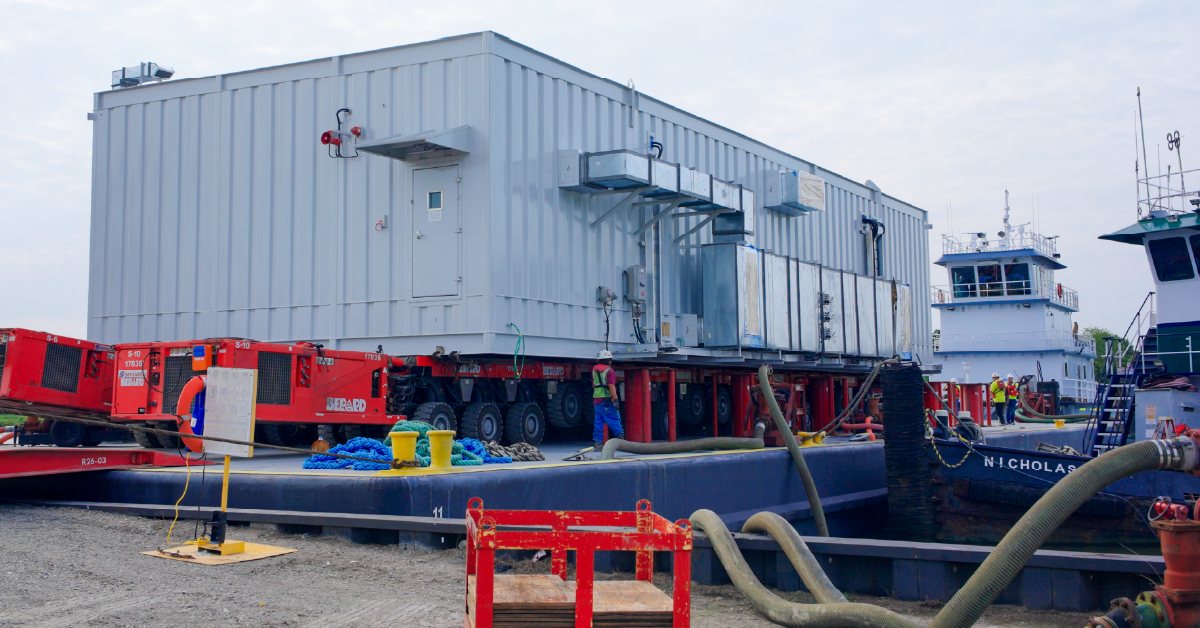
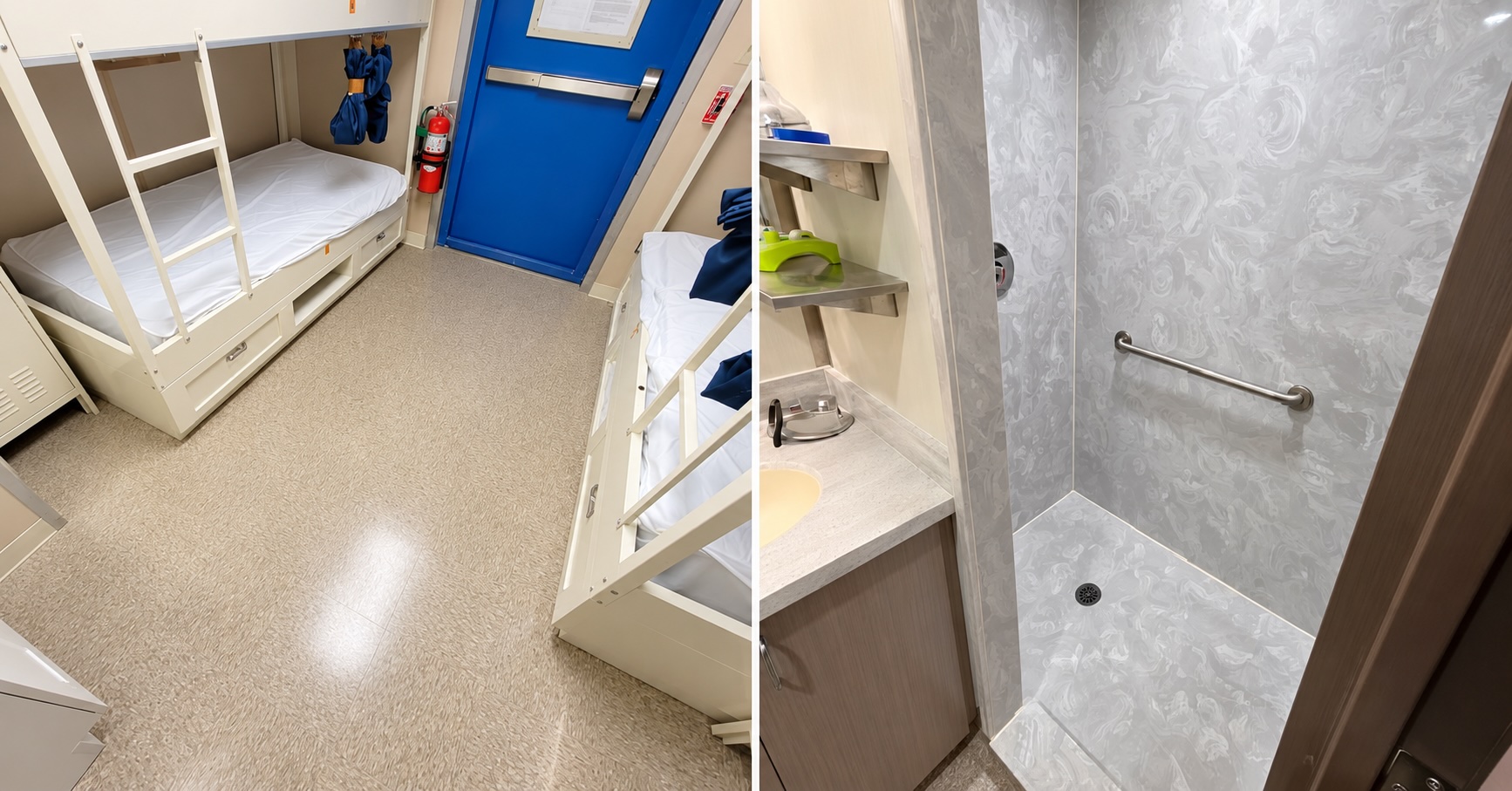
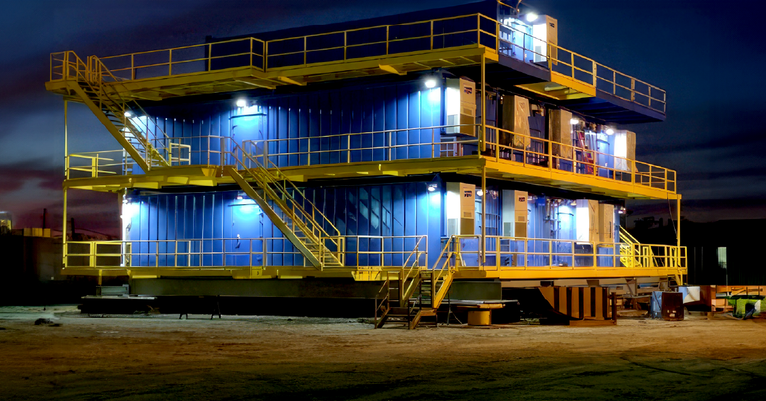
The fabrication of modules for offshore use leaves very little room for error. Once a module, like a technical building or portable accommodation module, leaves the fabrication yard, transporting it to its final destination and integrating it into an offshore facility can be a complex and costly process. Identifying and correcting issues before deployment is much easier than addressing them after installation.
Quality management provides a structured framework for planning, fabrication, inspection and verification throughout a project’s lifecycle. This helps teams deliver consistent results and maintain confidence in the finished product. For many manufacturers, that framework is built around internationally recognized standards such as ISO 9001.
Understanding how quality management supports offshore module fabrication provides valuable insight into the processes that help keep projects on schedule, improve traceability and support successful offshore deployment.
Offshore Module Fabrication Demands Consistency
Every offshore project is built around a unique set of engineering requirements, operating conditions and project constraints. Modules may be destined for fixed platforms, floating production facilities or other offshore facilities, but regardless of the final destination, consistency during fabrication is essential.
Tightly coordinated construction and installation windows often drive schedules, while transportation and offshore installation require extensive planning. Discovering an issue after a module leaves the fabrication yard can result in additional costs, project delays and unnecessary complexity.
Consistent fabrication processes help reduce those risks by establishing repeatable methods for engineering, procurement, manufacturing and inspection. Rather than relying on individual decisions or informal practices, documented quality management processes provide a framework for maintaining consistency throughout the project lifecycle.
For manufacturers that operate within an ISO 9001 quality management system, like Armoda, those documented processes also support accountability, traceability and continual improvement. This consistency helps create a more structured approach to offshore module fabrication.
How ISO 9001 Supports Offshore Module Fabrication
Quality management doesn’t exist to create paperwork or satisfy an audit. At its best, it provides a structured framework for delivering consistent results across complex projects where precision and repeatability matter.
ISO 9001 is one of the world’s most widely recognized quality management standards, helping organizations establish documented processes, define responsibilities and promote continual improvement. Rather than prescribing how standardized modules should be fabricated, it provides a framework for managing the processes that support quality throughout a project.
In the fabrication of offshore modules, quality management can include documented procedures, controlled workflows, inspection and verification activities, document management and ongoing process evaluation. Together, these practices help create consistency from one project to the next while supporting communication, accountability and traceability throughout the fabrication process. Many manufacturers implement these practices through an ISO 9001 quality management system, using documented processes to support consistency and continual improvement across projects.
Quality Management Throughout the Fabrication Process
Quality management is not a single inspection at the end of a project. It is an ongoing process that begins well before fabrication starts and continues through engineering, procurement, manufacturing, inspection and final preparation for transport.
During engineering, documented reviews and design controls help establish a clear foundation for fabrication. As materials are procured and work begins, quality processes support consistency by defining requirements, documenting changes and helping ensure work is performed in accordance with project specifications.
Throughout fabrication, inspections and verification activities provide opportunities to identify and address issues before they become larger problems. Depending on the project, this may include material verification, dimensional checks, weld inspections, equipment testing and final quality reviews before shipment.
By integrating quality management throughout the fabrication process rather than treating it as a final checkpoint, manufacturers can better support consistency, traceability and readiness before a module leaves the yard for offshore deployment.
Documentation and Traceability Matter
Documentation is often viewed as an administrative requirement, but in offshore module fabrication, it serves a much broader purpose. Clear, organized records help teams verify requirements, communicate changes and maintain confidence that work has been completed in accordance with project specifications.
Materials traceability is an important part of that process. Material certifications, revision histories, inspection records and other project documentation provide a record of decisions and activities throughout fabrication. When questions arise or project requirements change, that information helps teams understand what was done, when it was completed and how it aligns with the approved design.
Well-managed documentation also supports coordination between engineering, procurement, fabrication and project stakeholders. By maintaining accurate records throughout the project lifecycle, manufacturers can improve communication, reduce confusion and provide greater transparency before modules are transported for offshore installation.
Reducing Risk Before Offshore Deployment
Once a module leaves the fabrication yard, opportunities for correction become more limited and significantly more complex. Transportation, lifting operations, and offshore installation are carefully coordinated activities, making it beneficial to identify and resolve potential issues as early as possible in the project lifecycle.
Disciplined quality management processes help reduce risk by encouraging consistent execution, documented verification and clear communication throughout fabrication. Engineering reviews, inspections and quality checkpoints provide opportunities to identify discrepancies before they affect downstream activities or project schedules.
While no quality management system can eliminate every challenge, a structured approach can help reduce rework, improve coordination between project teams and increase confidence that modules are ready for transportation and offshore integration. The result is not only greater consistency during fabrication, but a smoother transition from the fabrication yard to the field.
Quality Management Is More Than Compliance
For offshore module fabrication, quality management establishes a framework for consistent execution, documented processes and continuous evaluation throughout a project’s lifecycle.
When disciplined quality management practices support engineering, procurement, fabrication and inspection activities, teams are better positioned to identify issues early, maintain traceability and deliver modules that are ready for transportation and offshore integration. That consistency can improve communication across stakeholders while helping reduce unnecessary rework and project uncertainty.
Whether guided by ISO 9001 or another structured quality management framework, the objective remains the same: to support reliable, repeatable processes that contribute to successful project execution from the fabrication yard through offshore deployment.
Every offshore project depends on confidence in the finished product. At Armoda, disciplined quality management processes based on ISO 9001 principles help support consistency, traceability and repeatable execution throughout offshore module fabrication, giving customers greater confidence before transportation, installation and deployment. Talk with our team about your next project.