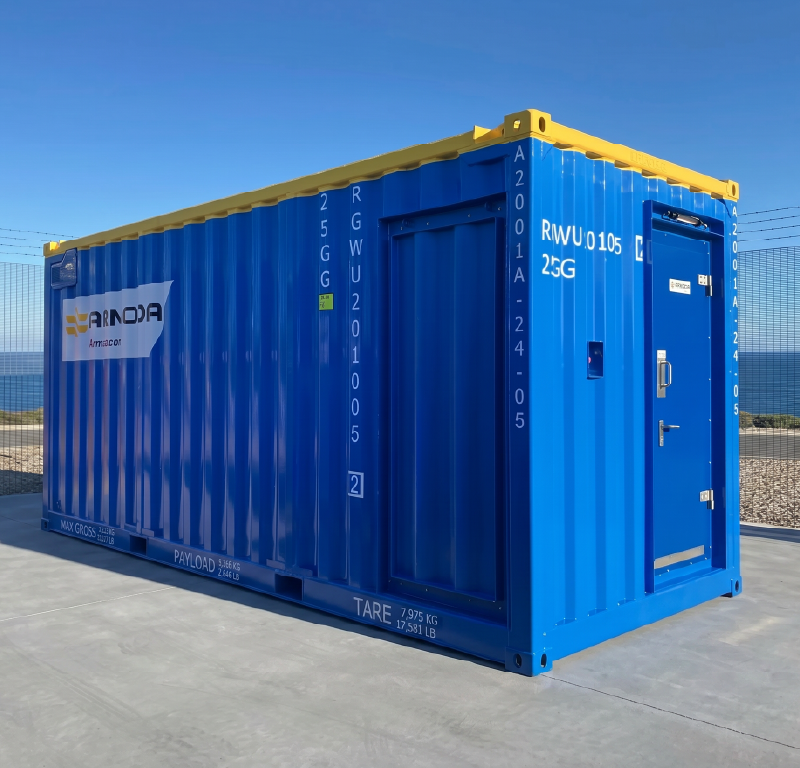
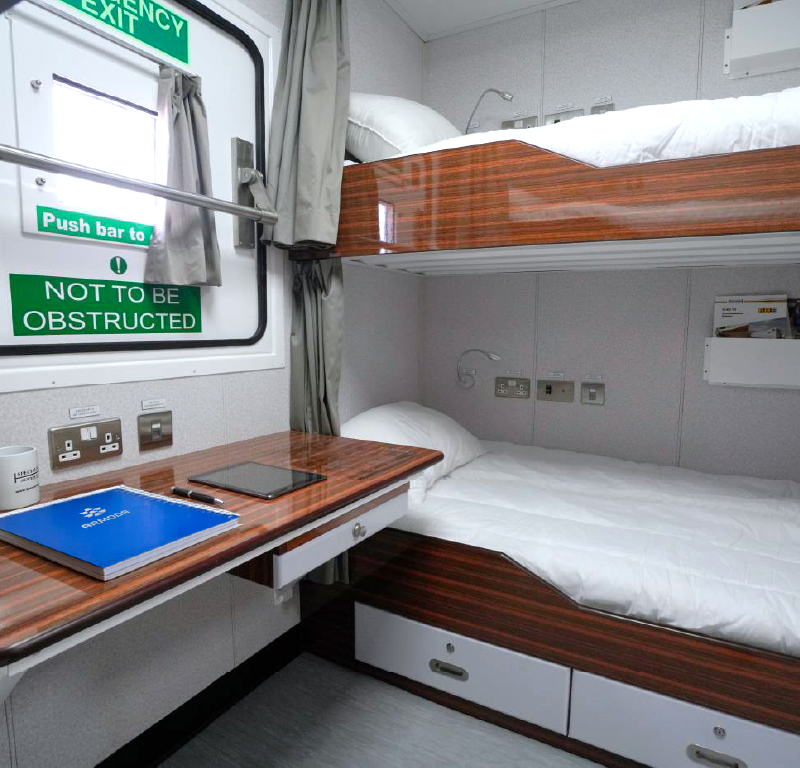
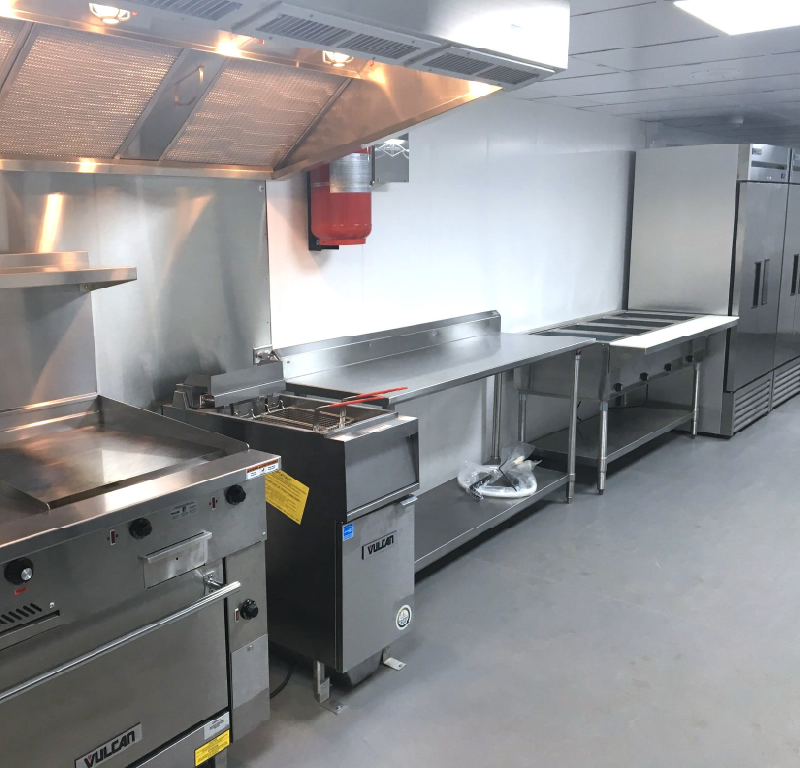
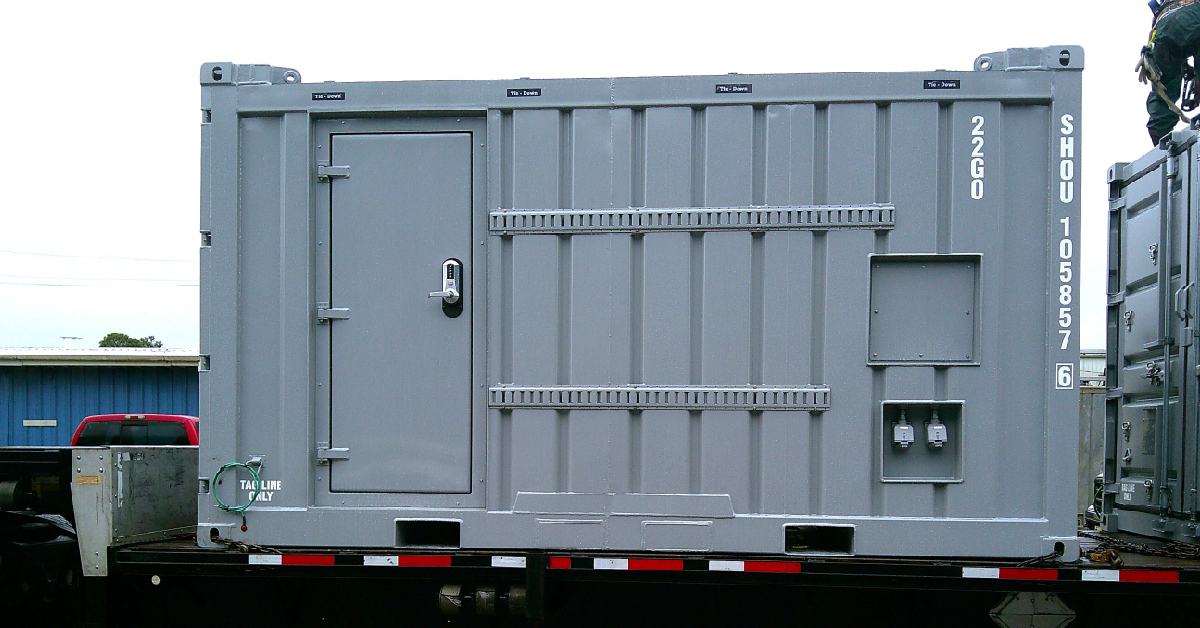
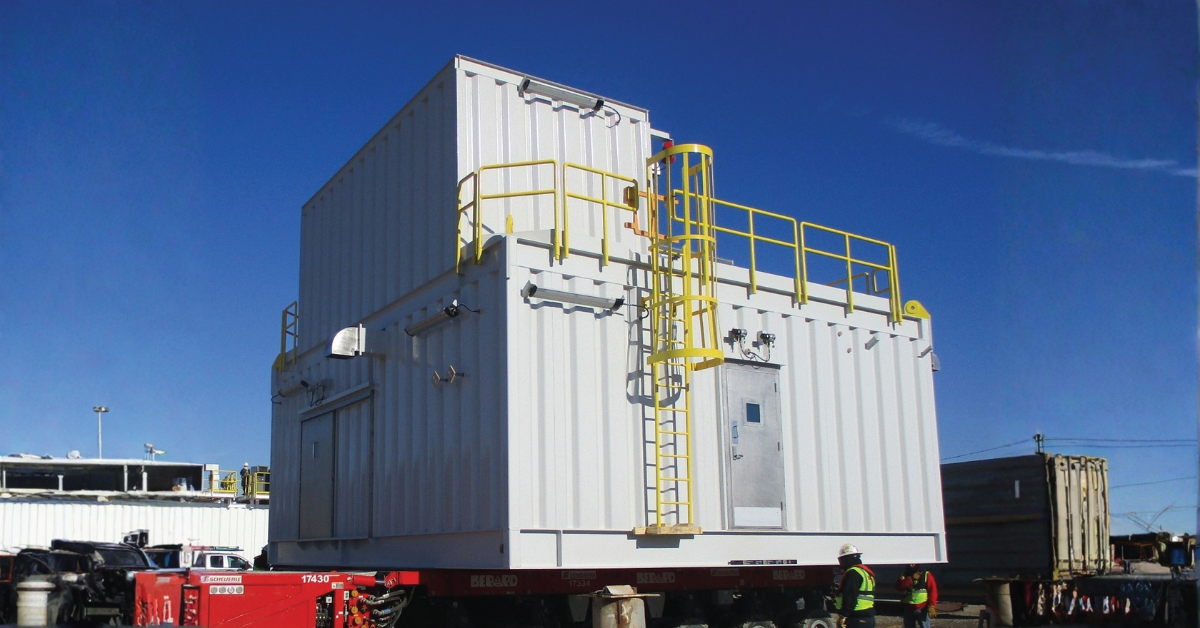
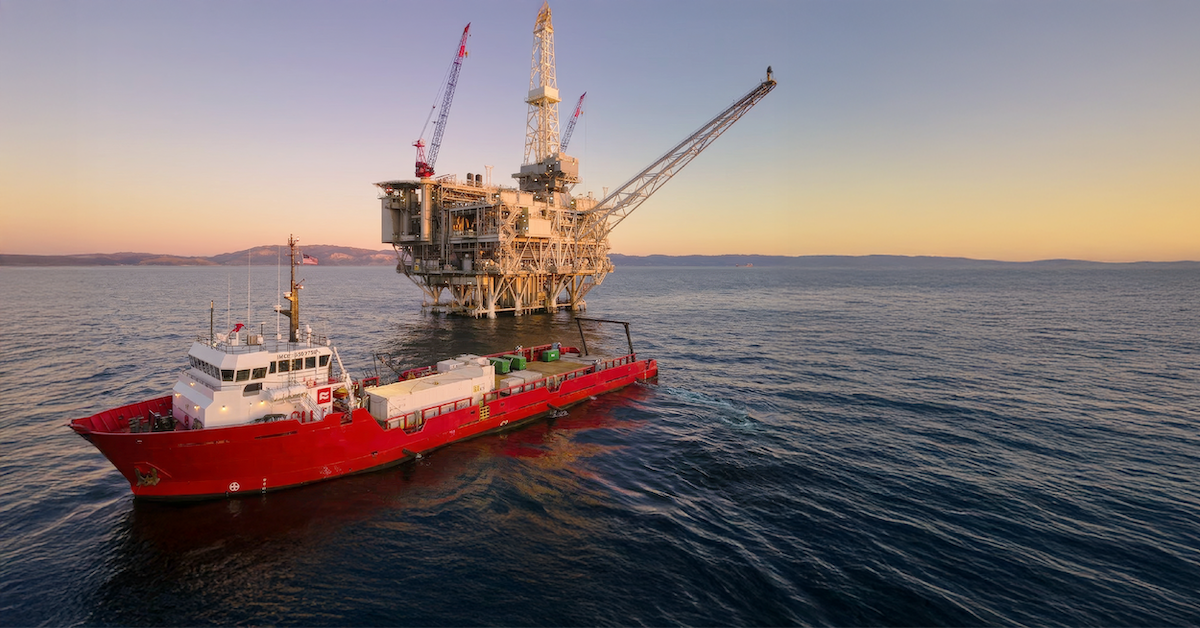
Every offshore project is under pressure to deliver more with less. Rising material costs, compressed project schedules and increasing regulatory requirements have made capital efficiency a priority, yet reducing CAPEX cannot come at the expense of safety, reliability or operational performance. As a result, many operators are shifting away from fully custom facilities and adopting standardized offshore modules, offering a more predictable, cost-effective approach to project execution.
Standardized modules are not generic solutions. They are pre-engineered, repeatable designs built around proven configurations, equipment selections and interfaces that have already been reviewed and approved by regulatory bodies. Rather than beginning each project with a completely new design, operators can deploy a validated solution that requires only limited project-specific modifications, reducing engineering effort while maintaining compliance and operational performance.
How Standardized Offshore Modules Create Savings Throughout the Project Lifecycle
The financial benefits of standardization extend well beyond fabrication. Because much of the engineering has already been completed and validated, operators spend less time developing new designs, resolving engineering comments and coordinating regulatory reviews. Procurement activities become more efficient through the use of established equipment selections and qualified vendors, while fabrication teams benefit from repeatable construction methods that improve productivity and reduce rework.
These efficiencies continue through project management, quality assurance, commissioning and startup, where proven designs help minimize unexpected issues and accelerate project completion. Individually, each improvement may appear incremental, but together they can significantly reduce both total installed cost and overall project duration.
Reducing Risk Is Just as Valuable as Reducing Cost
While CAPEX often receives the most attention, one of the greatest advantages of standardized offshore modules is the reduction in project risk. Custom-engineered facilities frequently require multiple design iterations, unique equipment selections and complex system integration, all of which increase the potential for engineering changes, procurement delays and schedule overruns.
Because standardized modules have already been designed, reviewed and implemented, many of these uncertainties have been addressed before fabrication begins. The result is greater confidence in project execution, fewer late-stage design changes and a more predictable path from engineering through installation and commissioning.
Standardization Does Not Eliminate Flexibility
A common misconception is that standardized modules force operators into a one-size-fits-all solution. In practice, modern standardized modules are designed with configurable layouts, adaptable equipment options and installation flexibility that allow them to support a wide range of operating requirements while retaining the efficiencies of a proven design.
Rather than limiting project capabilities, standardization provides a strong engineering foundation that can be tailored to individual applications without requiring an entirely new design for every facility. This balance between repeatability and flexibility allows operators to reduce both project cost and execution risk without requiring a fully custom design.
Standardized Offshore Modules Can Keep Projects on Schedule
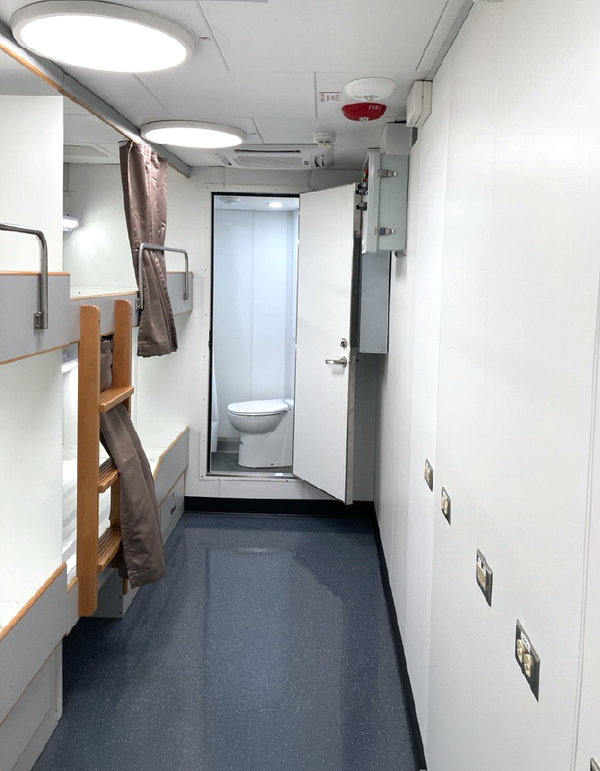
Engineering development, regulatory reviews and fabrication lead times often constrain project schedules. When operators require equipment quickly, these factors can delay installation and increase overall project costs.
One advantage of standardized offshore modules is the ability to leverage proven, established designs. In some situations, Armoda can provide standard modules from its fleet on either a rental or purchase basis, allowing operators to meet aggressive project schedules while avoiding the delays associated with developing a completely custom facility.
Long-Term Value Continues After Installation
The benefits of standardization do not end once a module is placed into service. Maintenance teams become familiar with consistent layouts and equipment across multiple facilities, simplifying troubleshooting, reducing training requirements and improving maintenance planning. Standardized equipment also allows operators to consolidate spare parts inventories, reducing inventory costs while improving parts availability and minimizing maintenance-related downtime.
Over the life of an offshore asset, these operational efficiencies can generate significant value by improving reliability and reducing the ongoing cost of ownership.
A Smarter Approach to Offshore Project Delivery
Reducing CAPEX is about more than lowering upfront costs. It requires identifying opportunities to simplify engineering, improve project execution and reduce operational risk without compromising safety or performance. Standardized offshore modules achieve that balance by combining proven engineering with repeatable construction methods, allowing operators to complete projects more efficiently while maintaining the flexibility needed to support a wide range of offshore applications.
Whether the requirement is a permanent installation, a rental solution or a customized configuration built from a proven platform, standardized offshore modules provide a practical path toward faster project delivery, lower lifecycle costs and more predictable project outcomes.
Talk with Armoda about how a standardized offshore module can help reduce costs and streamline execution for your next offshore project.